


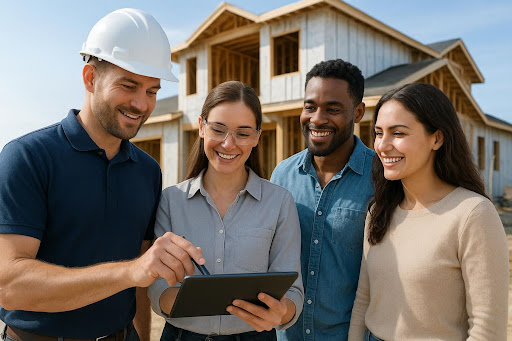
Starting a construction project-whether it’s a new home or a commercial building-is a big investment of money and time. So why does it matter so much to choose reliable construction services? Because the right construction partner supports the whole project from start to finish.
If the team is not reliable, you may face budget problems, long delays, and work that doesn’t hold up over time.
Working with a trusted company, like those offering high-quality construction services, helps you get the results you expect with strong workmanship, clear planning, and less stress.
Overview: The Link Between Construction Reliability and Investment Success
The connection between a reliable construction company and a successful investment is simple: reliable work protects your money. A building project has many moving parts, like design, permits, materials, and multiple crews. A reliable contractor keeps everything organized and working together, from the first plan to the final walkthrough. Their experience helps prevent problems, limits surprises, and supports the long-term value of the property.
When you hire a construction company, you are doing more than paying someone to build. You are counting on them to follow through on what they promise. A reliable partner is more likely to meet the schedule, stick close to the budget, and deliver quality work. That leads to a property that lasts longer, needs fewer repairs, and holds its value better over time.
Why Reliable Construction Services Directly Impact Your Investment
How Reliability Minimizes Project Risks and Delays
One of the biggest benefits of hiring reliable construction services is lower risk and fewer delays. Experienced contractors can spot problems early, before they turn into expensive setbacks. They know the construction process well, including permits, inspections, and common supply issues. This kind of planning helps avoid work stoppages, last-minute changes, and delays caused by paperwork or missing materials.
A reliable contractor also keeps communication clear and sets realistic timelines at the start. They coordinate crews, manage deliveries, and keep each stage moving. With better planning and steady oversight, you are more likely to finish on time and within the agreed budget. This protects your investment from extra costs like extended labor time, storage fees, or missed move-in dates.
Ways Quality Construction Increases Property Value
Quality construction affects more than how a building looks-it has a direct impact on value. Buildings made with good materials and solid workmanship usually last longer and need fewer repairs. That means lower costs over time and a better property to sell later. Think about the difference between a home built to handle major storms, like Hurricane Laura in 2020, and one built with shortcuts. The stronger home is far more likely to keep its value and may even rise in value faster.
Quality work also often includes energy-saving features and smart building choices that many buyers want today. Good insulation, efficient windows, and properly sized heating and cooling systems can reduce utility bills and make the property more appealing. Putting money into quality early helps position the property as a higher-value option when it’s time to sell.
Effects of Poor Construction on Long-Term Maintenance Costs
A cheap bid can look attractive at first, but unreliable construction often turns into higher costs later. Poor construction can include weak materials, careless work, or ignoring building codes. Over time, these issues can lead to repeated repairs, water problems, structural fixes, or early replacement of key systems. What looked like savings in the beginning can become a long list of expenses.
For example, a well-built home might cost around $5,000-$8,000 in maintenance over ten years, while a poorly built one could reach $25,000-$40,000 in repairs during the same period. These costs reduce your profit and can also hurt resale value. Skipping steps like proper permits, drainage planning, or foundation requirements can also cause major problems when you try to sell, and fixing them later can be very expensive.
What Defines a Reliable Construction Service?
Key Qualities to Look for in a Trustworthy Contractor
A reliable construction service offers more than building skills-they act like a real partner. Good signs include honesty, steady workmanship, and a clear effort to do what they say they will do. A trustworthy contractor gives clear estimates, realistic schedules, and open communication about possible issues. They pay close attention to the small details, which often makes the biggest difference in the final result.
A dependable contractor also knows how to manage a project well and adjust when needed. Construction rarely goes exactly as planned. A strong contractor can solve problems quickly without lowering quality or safety. Their past work should show that they finish projects as promised and manage time well, which helps protect your investment.
Required Licenses, Certifications, and Insurance
This may sound obvious, but many people skip this step. One of the clearest signs of a reliable construction company is proper licensing, certifications, and insurance. A valid state residential license shows the contractor meets local and state rules and is allowed to do the work. Certifications can also show added training in areas like green building or certain structural methods.
Insurance is just as important. It helps protect you and the workers if something goes wrong, like property damage or an accident on-site. Always ask to see proof of these documents. If a contractor avoids the question or cannot provide proof, that is a major warning sign. Working with an unlicensed or uninsured contractor can create serious legal and financial problems.
Reputation and References: Verifying Trustworthiness
A good reputation in the local area is often one of the best signs that a contractor is reliable. This includes more than testimonials on their website. Look at online reviews on sites like Google or Yelp, ask people in your community, and watch for repeated complaints. If you see patterns of missed deadlines, poor communication, or low-quality work, take that seriously.
A reliable contractor should also be willing to share references from past clients, especially for projects like yours. Don’t just collect names-call them. Ask if the contractor stayed on budget, finished on time, and handled problems in a fair way. If you can, visit a recent project to check the results yourself. Doing this work upfront helps you confirm the contractor is a good fit and helps protect your investment.
Factors That Influence Your Return on Investment
Importance of Experience and Local Knowledge
Construction experience matters because it shows the contractor has handled real challenges before. But local knowledge matters too, and sometimes even more. A team that understands local codes, weather patterns, and building needs can work faster and avoid common delays. For example, a builder near Shreveport, Louisiana should understand humid weather, clay-heavy soil, heavy rain, and wind protection needs because storms can be severe.
Local contractors usually know zoning rules and permit steps, which helps avoid delays and fines. They also often have trusted relationships with local suppliers and subcontractors, which can lead to better materials and more dependable labor. Local experience also helps with advice on flood risks, drainage, soil conditions, and even design preferences in the area-details that can affect value over time.
Impact of Transparent Communication on Budget Adherence
Clear communication has a direct effect on staying within budget. A contractor who communicates well from the first meeting through the final inspection helps everyone stay aligned. This includes being open about costs, timing, and possible issues that may come up. When the contractor is clear and honest, you are less likely to be surprised by hidden charges or sudden changes.
Reliable contractors usually give detailed proposals that list labor, materials, timelines, and possible added costs. This makes it easier to compare bids fairly. Many also tie payments to project milestones instead of asking for large upfront payments. This adds protection for you and encourages steady progress. Clear communication and accountability reduce misunderstandings and help prevent budget problems.
Role of Project Management in Timely Delivery
Good project management supports on-time delivery, which protects your investment. A strong construction company coordinates schedules, crews, deliveries, and inspections so the job keeps moving. This reduces downtime and helps teams communicate clearly. Project managers and site supervisors play a big part in solving problems early and preventing slowdowns.
Many contractors also use modern tools to support project management. 3D modeling, Building Information Modeling (BIM), and project management software can help track progress and share updates quickly. These tools also help contractors spot design issues early, which reduces mistakes and expensive rework. Better planning and tracking usually leads to a smoother build and a faster finish.
Risks of Choosing Unreliable Construction Services
Common Red Flags to Avoid in Construction Companies
As you compare contractors, watch for clear warning signs. Avoid any company that cannot provide proof of licensing, certifications, and insurance. This is a serious legal and financial risk. Another red flag is a weak contract that does not clearly explain the scope of work, payment terms, and timelines. A vague contract can lead to disputes and surprise costs.
Also look at the company’s reputation. One bad review may not mean much, but repeated complaints about missed deadlines, poor communication, or bad work usually point to real problems. Be careful with very low bids too. A price far below other bids may mean the contractor plans to use cheaper materials, rush the work, or add extra charges later. Paying a bit more upfront is often cheaper than fixing mistakes later.
Consequences of Cost Overruns and Substandard Work
Choosing an unreliable contractor often leads to cost overruns and poor results. A low price can quickly grow into a bigger bill if the contractor mismanages the budget, guesses wrong on material costs, or takes too long to finish. Longer schedules can also increase labor costs and create delays that affect your plans. These issues reduce your return and can make the project far more expensive than you expected.
Poor workmanship can show up as weak structure, uneven finishes, leaks, or systems that fail early. These problems hurt the look and function of the property and often lead to expensive repairs later. A building that requires constant fixing becomes a drain on your time and money instead of a strong investment.
Legal and Safety Issues Stemming from Unreliable Contractors
Unreliable contractors can also create legal and safety problems. If a contractor skips permits or ignores local codes, you may face failed inspections, stop-work orders, or fines. In some cases, you may have to redo work or even remove parts of the build and start over. These issues can destroy your schedule and add major costs.
An uninsured contractor also puts you at risk. If someone gets hurt on your property, you may be responsible for medical bills or damages. Contractors who cut corners often skip safety steps, putting workers and future occupants at risk. Accidents can lead to serious injuries, lawsuits, and long-term problems that far outweigh any early savings.
Practical Steps for Selecting Reliable Construction Services
Questions to Ask Before Signing a Contract
Before signing anything, prepare clear questions. Ask about experience: “Have you done projects like mine before?” If you are building a custom home, ask about their background with one-of-a-kind builds. If it’s a commercial project, ask for examples in that area. Then ask about planning: “How do you track the schedule and budget, and what happens if something changes?” A reliable contractor should be able to explain timelines, costs, and how they handle surprises.
Ask for proof of licenses, certifications, and insurance, and confirm them with the proper agencies. Also ask about updates: “How often will you update me, and how will we communicate?” Finally, ask about warranties and what support you get after the job is done. A good contractor like Nova Construction Services stands behind their work.
Evaluating Bids Beyond Price
Price matters, but choosing only the lowest bid is a common mistake. Instead, review what each bid includes. A clear contractor should provide a detailed estimate listing labor, materials, equipment, and possible extra costs. This makes it easier to compare bids and spot missing items that could become added charges later.
Be cautious with bids that seem unrealistically low. Often, those prices come from cheaper materials, rushed work, or plans to charge extra later. Focus on the value you’re getting: material quality, project history, and the contractor’s ability to stay on budget. Paying slightly more for dependable work can save a lot of money and stress later.
Checking Project Portfolios and Recent References
A contractor’s portfolio can tell you a lot. Review past projects and look for consistent quality and clean finishes. Check whether their work matches the style and function you want. Ask for real photos of completed projects, not only digital designs.
Also ask for recent references, ideally from the last one or two years and from projects like yours. Call those clients and ask about professionalism, communication, schedule, and final results. If possible, drive by or visit a completed project to see the work in person. This step helps you make a smart decision based on real proof.
Frequently Asked Questions on Reliable Construction Services
What long-term benefits come from hiring reliable construction services?
Reliable construction services can save you money and stress for years. Good work reduces the chance of major repairs and lowers ongoing maintenance costs. Many reliable builders also use energy-saving designs and materials, which can lower utility bills over time. A well-built property is also easier to sell and often earns a higher resale price because buyers trust the quality.
How do I confirm a contractor’s credentials and track record?
To confirm a contractor’s credentials, verify licenses through official state licensing boards (for example, the Louisiana State Licensing Board for Contractors). Ask for proof of insurance, including general liability and workers’ compensation, and confirm coverage with the insurance company. Request at least three recent references and call them to ask about budget, timeline, and how problems were handled. Also review real project photos and check independent review sites like Google and Yelp for patterns in feedback.
What are the risks if I choose low-cost, unreliable options?
Low-cost, unreliable construction can lead to higher costs later. Common problems include surprise fees, cost overruns, poor workmanship, and repeated repairs. Delays are also more likely due to poor planning or permit issues. You may also face legal and safety risks if the contractor lacks insurance or ignores safety rules and building codes. In the end, the property may be worth less and harder to sell, turning a “cheap” choice into a costly mistake.
