


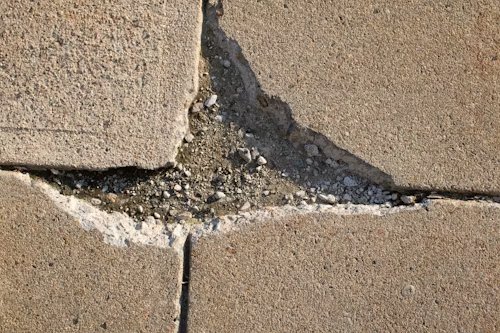
Permeable concrete is a groundbreaking material that has gained significant attention in recent years due to its dual environmental and practical benefits. Utilising this innovative construction material can greatly assist in managing water resources more efficiently, reducing urban flooding risks, and improving the sustainability of infrastructure development. For those who need to explore its utility, understanding the advantages of permeable concrete can provide valuable insights for its application in urban planning and construction projects.
Environmental Benefits
One of the primary environmental benefits of permeable concrete is its ability to reduce surface runoff. Traditional concrete surfaces do not allow water to penetrate, thereby contributing to localised flooding and increased pressure on stormwater systems. Permeable concrete, however, allows water to filter through its porous structure, subsequently reducing runoff and replenishing groundwater. This aspect is crucial in urban environments where impermeable surfaces are prevalent.
Furthermore, the use of permeable concrete contributes to the reduction of pollutants entering natural water bodies. As water filters through the concrete, sediments, oils, and toxins are trapped, preventing them from entering streams and rivers. This filtration process helps maintain cleaner aquatic ecosystems, promoting biodiversity and supporting native wildlife.
Practical Benefits
Beyond its environmental contributions, permeable concrete offers numerous practical advantages. Its durability and low maintenance requirements make it an attractive option for both residential and commercial projects. Due to its high permeability, permeable concrete reduces the likelihood of cracking and surface damage typically caused by freeze-thaw cycles. This durability translates to lower maintenance costs over its lifespan, making it a cost-effective choice in the long term.
In terms of aesthetics, permeable concrete provides versatile design options. Available in a range of textures and colours, it can be tailored to suit various architectural styles and landscaping requirements. This flexibility in design enables architects and planners to seamlessly integrate sustainable materials into contemporary urban landscapes.
Urban Heat Island Mitigation
Permeable concrete can also play a role in mitigating the urban heat island effect. Conventional materials such as asphalt and traditional concrete tend to absorb and retain heat, contributing to elevated temperatures in urban settings. Permeable concrete, with its light-coloured and permeable surface, reduces heat absorption. This attribute helps lower temperatures in densely populated areas, improving comfort levels and reducing the energy consumption required for cooling buildings.
Applications in Urban Planning
The strategic use of permeable concrete in urban planning and infrastructure development offers a sustainable solution to modern construction challenges. It is particularly advantageous in parking lots, driveways, and pedestrian pathways, where it prevents water pooling and mitigates slipping hazards during wet conditions. Additionally, its capacity to absorb rainfall and facilitate groundwater recharge supports sustainable water management practices within urban environments.
With the increasing emphasis on sustainable construction, permeable concrete is becoming a preferred choice among architects and builders. Its ability to combine environmental protection with structural integrity aligns with the principles of green building, promoting the development of eco-friendly urban spaces.
Case Studies and Success Stories
Several case studies highlight the successful application of permeable concrete in various settings. In cities across Australia, permeable concrete pavements have demonstrated resilience in handling heavy rainfall events, reducing the risk of flooding and infrastructure damage. Moreover, projects incorporating this material have reported enhanced groundwater levels and reduced soil erosion, further underscoring its environmental value.
The use of permeable concrete extends beyond urban landscapes, proving beneficial in recreational areas, parks, and sports facilities. Its capability to manage water naturally ensures that such spaces remain functional and accessible even during inclement weather.
Advancements in Technology
Advancements in concrete technology continue to enhance the performance and applicability of permeable concrete. Innovations such as admixtures and improved compaction techniques enhance its strength and permeability, making it an increasingly viable substitute for traditional paving solutions.
As these technologies advance, the potential for permeable concrete to contribute to sustainable urban development becomes increasingly significant. It serves as a reminder of the impact that material choice can have on the environment and the quality of urban life.
Conclusion
In conclusion, the environmental and practical benefits of permeable concrete make it an essential component of sustainable urban development. Its application not only reduces environmental impact but also offers cost-effective and aesthetically pleasing solutions for various construction needs. As cities continue to grow and face new challenges, incorporating materials like permeable concrete will be vital in creating resilient and sustainable urban environments.
