


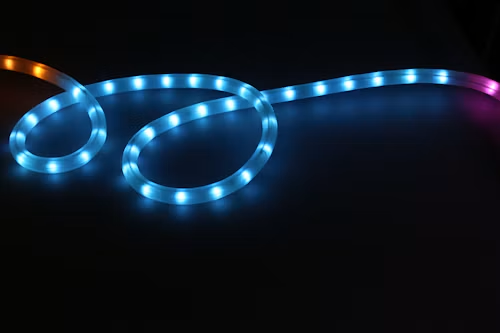
A well-designed lighting system can transform an ordinary room into a welcoming, functional, and visually appealing space. LED strip lights have become a popular choice for residential, commercial, and outdoor applications because they combine energy efficiency, flexibility, and creative lighting possibilities. However, selecting the right strip involves more than choosing a preferred color or brightness level. Factors such as water resistance, customization, installation conditions, and control options determine the overall performance of a lighting system. Understanding these features helps property owners and businesses make informed decisions when planning reliable and attractive lighting solutions.
Understanding the Growing Popularity of LED Strip Lights
LED strip lights offer a practical way to illuminate spaces without relying on bulky fixtures or complicated lighting arrangements. Their slim design allows installation beneath cabinets, along ceilings, around mirrors, inside display units, and across architectural features. Different color temperatures and brightness levels make them suitable for both decorative and task lighting. Compared with many traditional lighting options, LED technology can provide lower energy consumption and a longer operational lifespan when properly installed. These advantages have encouraged homeowners, designers, retailers, and hospitality businesses to incorporate strip lighting into modern interior and exterior projects.
Why Waterproof Protection Matters in Lighting Applications
Moisture can damage electrical components, reduce lighting performance, and create maintenance challenges when unsuitable products are installed in damp environments. Waterproof LED strip lights wholesale options are particularly relevant for businesses, contractors, and distributors sourcing lighting products for bathrooms, kitchens, outdoor decorations, and other moisture-prone locations. Their protective coatings or sealed constructions help reduce exposure to water and environmental contaminants, depending on the product’s specifications. However, waterproofing levels differ between models, so checking the IP rating is essential. The appropriate rating depends on whether the installation faces occasional splashes, heavy rain, or more demanding environmental conditions.
Choosing the Right Protection Level for Each Project
Selecting waterproof strip lighting requires careful consideration of the installation environment rather than relying exclusively on product descriptions. For example, under-cabinet lighting in a kitchen may face occasional splashes, while garden pathways and exposed architectural features can experience rain, dust, and changing temperatures. An appropriate IP rating helps indicate the level of protection against solid particles and moisture. Installation methods, connectors, power supplies, and cable connections also influence reliability because an exposed connection can compromise an otherwise protected strip. Reviewing these details before purchasing helps reduce premature failures, unnecessary replacements, and maintenance expenses over time.
Customization for Different Lighting Requirements
Every lighting project has distinct requirements regarding strip length, color, brightness, voltage, and installation layout. A Custom LED strip lights supplier can help buyers identify suitable configurations for retail displays, residential renovations, hospitality interiors, and specialized commercial environments. Customization may include different LED densities, color temperatures, flexible circuit designs, waterproof protection, and compatible controllers. These options allow lighting arrangements to fit architectural dimensions and functional requirements more accurately. Before selecting a customized product, buyers should confirm the available specifications, minimum order quantities, production timelines, and compatibility with existing electrical systems to ensure the final solution meets the project’s practical expectations.
Exploring RGB Controls and Color Options
RGB LED strip lights provide additional creative possibilities by allowing users to change colors according to personal preferences, seasonal decorations, or commercial branding requirements. Compatible controllers may support static colors, gradual transitions, flashing effects, and other dynamic lighting patterns. For example, a retail store can use changing colors to highlight a display, while a home entertainment area can create a more immersive atmosphere. One available feature to consider is RGB Touch Controller Color Modes:18, which indicates a controller offering eighteen color modes. Checking controller compatibility, operating instructions, and power requirements helps ensure smooth operation and a convenient lighting experience.
Energy Efficiency and Long-Term Performance
Energy efficiency is an important consideration when lighting operates for extended periods throughout the day. LED strip lights convert electrical energy into light more efficiently than many conventional lighting technologies, although actual consumption varies according to LED density, brightness, length, and operating conditions. Proper heat management also contributes to product longevity because excessive temperatures can affect light output and component performance. Choosing an appropriate power supply, avoiding overloaded circuits, and following installation guidelines can improve reliability. For commercial facilities, combining efficient lighting with suitable controls may help manage electricity consumption while maintaining the desired brightness and visual appearance.
Important Factors Before Purchasing LED Strip Lights
Buyers should compare product specifications carefully before making a purchasing decision. Brightness, measured in lumens, helps indicate light output, while color temperature describes whether the illumination appears warm, neutral, or cool. Voltage requirements, cutting intervals, adhesive quality, and dimming compatibility can influence installation convenience. For outdoor projects, waterproof ratings and UV resistance may also be important, depending on exposure conditions. Businesses purchasing Waterproof LED strip lights wholesale should additionally evaluate consistent product quality, packaging, supply availability, and technical support. These considerations help distributors and project managers choose suitable products while reducing compatibility problems and unexpected installation costs.
The Value of Reliable Suppliers in Lighting Projects
Choosing an experienced supplier can simplify product selection by providing access to different lighting configurations and technical specifications. Buyers evaluating a Custom LED strip lights supplier should consider product variety, customization capabilities, quality control procedures, and communication throughout the purchasing process. Clear information about warranties, installation requirements, delivery schedules, and compliance documentation can also support better purchasing decisions. For larger projects, obtaining product samples before placing a substantial order may help verify brightness, color consistency, flexibility, and overall construction quality. A careful supplier evaluation contributes to dependable installations and helps businesses maintain consistent standards across multiple lighting projects.
Conclusion
Waterproof protection, flexible customization, efficient LED technology, and convenient color controls have made strip lighting a versatile option for modern spaces. Selecting suitable products requires attention to environmental conditions, technical specifications, installation requirements, and long-term operating costs. Buyers can compare available solutions through dekingled.com, considering the product range and features relevant to their particular projects. Whether the goal is to illuminate a residential kitchen, enhance a retail display, or create an outdoor decorative arrangement, a well-planned lighting system can improve both functionality and visual appeal. Careful product selection remains essential for achieving reliable performance and lasting value.
