


Ever wondered if the shine you get from professional window cleaning is about more than looks for your home or business? The answer is “yes.”
Professional window cleaning is not just about appearance; it helps your windows last longer and protects a big investment. By removing damaging grime and keeping the whole window system in good shape, trained cleaners help your windows stay clear, strong, and energy-efficient for years.
If you want services that help protect your windows, you can explore options like https://www.ropeaccessinlondon.co.uk/services/commercial-residential/cleaning/window-cleaning/, where the right methods are used with careful work.
How Professional Window Cleaning Extends Window Lifespan
What Causes Premature Window Deterioration?
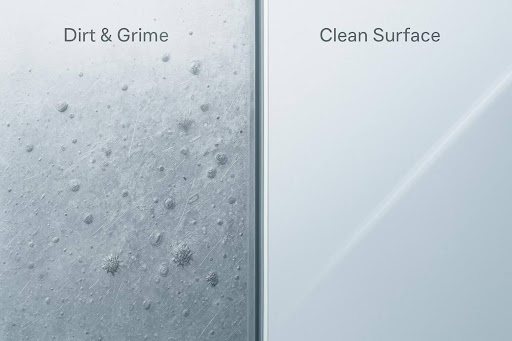
Windows may look tough, but they deal with constant wear from the environment. Rain, dust, pollen, bird droppings, and pollution all build up over time. Even though glass feels smooth, it can hold tiny particles on a very small level. That means dirt and residue can slowly wear into the surface. Over time, this can create small scratches and pits, which weakens the glass and makes it look cloudy.
Indoor activities also play a role. Burning candles, cooking, and using fireplaces can leave a thin smoke film on the inside of the glass. When that film mixes with dust and grease, it forms another layer that can slowly damage the surface if it is not cleaned off. These buildups don’t just make windows look worse-they can also make them easier to damage.
How Does Professional Cleaning Prevent Glass Degradation?
Professional cleaning helps protect windows from steady damage. Instead of a quick wipe, trained cleaners use the right tools and methods to remove grime before it causes long-term problems. They can also handle harder issues like thick buildup, construction dust, paint spray, or sticky residue that basic cleaning often can’t remove.
By removing these substances on a regular schedule, professional cleaners help stop staining, etching, and even cracking that can happen over time. The glass stays clearer and keeps its strength. This helps the window perform the way it should for longer, and it can reduce the chance you’ll need expensive restoration or early replacement.
Why DIY Cleaning Can Reduce Window Longevity
Cleaning your own windows might seem simple, but it can cause damage if it’s done the wrong way. One common issue is using strong chemicals or rough scrubbers, which can harm seals, tints, or frames. These products may make windows look good at first, but they can weaken parts of the window over time and may allow moisture in or reduce insulation.
Bad technique can also create problems. Cleaning in direct sunlight can make solutions dry too fast, leaving streaks and residue that attract more dirt. Using dirty cloths or paper towels can spread grime and leave lint behind. DIY cleaning also often skips the frames, sills, and tracks. Those areas collect dust and moisture, and that trapped debris can stress seals and lead to mold, rot, or rust, which speeds up overall window wear.
Key Benefits of Regular Professional Window Cleaning
Minimizes Buildup of Dirt, Hard Water, and Pollutants
A major benefit of regular professional cleaning is that it reduces harmful buildup. Windows collect dirt, dust, pollen, bird droppings, city pollution, and even salt near the coast. These materials can contain gritty particles and chemicals that slowly wear down glass. Hard water spots are another big issue-often caused by sprinklers or runoff. Minerals can stick to glass and, if left too long, can cause permanent marks.
Professionals use the right tools and often use purified water systems, which leave little to no minerals behind. This helps create a spot-free finish that stays clean longer. By removing grime and mineral deposits on a routine schedule, professionals keep the glass smoother and reduce the risk of long-term damage like staining, etching, or cracking.
Prevents Frame and Seal Damage
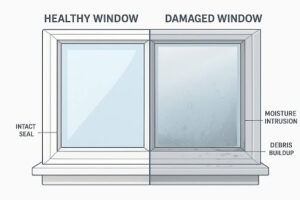
Glass is only one part of a window. Frames and seals also matter for how long the window lasts and how well it works. Dirt and debris often build up around edges, in tracks, and on sills. This can put pressure on seals, which are needed to keep double- or triple-pane windows insulated by holding gas inside and blocking moisture.
If seals fail, moisture can get between panes. This can cause fogging, lower energy performance, and faster breakdown of the whole window unit. Professional cleaning includes these problem areas, clearing out tracks and washing frames, which helps reduce strain on seals and lowers the chance of water getting in.
Reduces Risk of Mold, Mildew, and Allergens
Dirty windows can also support mold and mildew growth. When moisture sits in dirt and grime-especially in humid areas-it creates a good place for mold to spread. Besides looking bad, mold can damage seals and release spores into the air, which can trigger allergies and breathing problems.
Professional window cleaning goes past the glass and targets tracks and sills where dust, pollen, pet dander, and smoke film often collect. Removing these particles can help improve indoor air quality. Clean windows also let in more natural light, which helps reduce damp conditions that mold prefers.
Increases Energy Efficiency and Insulation Performance
Windows have a direct effect on energy use. When glass is dirty, it can block sunlight and reduce natural warmth in colder months. Some buildup can reduce light by a noticeable amount, making heating work harder and raising energy costs.
In warmer months, dirty windows can hold heat, making air conditioning run more often. Professional cleaning helps keep Low-E coatings working properly, so they can reflect heat and UV rays as intended. Clean glass and healthy seals mean better insulation and more stable indoor temperatures, which can help lower utility bills.
Maintenance Advantages: Early Problem Detection and Long-term Savings
Identification of Structural Issues and Necessary Repairs
A useful benefit of professional window cleaning is that it often helps spot problems early. During a normal cleaning visit, trained workers are close to the windows and can notice issues like small cracks, chips, gaps in frames, or early seal damage.
Finding these problems early matters. A small crack can grow, and a weak seal can cause moisture problems and energy loss. When issues are noticed early, you can fix them before they turn into bigger, more expensive repairs. This can also help you avoid early window replacement.
Protects Against Corrosion and Moisture Intrusion
Dirt and organic debris around frames, sills, and tracks can hold moisture. Over time, trapped moisture plus pollution can cause rust on metal parts or rot in wood frames. This weakens the window and makes it harder for it to block outside weather.
Professional cleaning removes this moisture-holding dirt so frames and sills can dry out and stay in better condition. This lowers the risk of rot, rust, and mold, and it helps protect your property from costly repairs.
How Scheduled Cleaning Lowers Overall Maintenance Costs
While professional cleaning costs money upfront, regular appointments can help you save over time. It is usually cheaper to prevent damage than to fix it later. Routine cleaning reduces the buildup that causes stains, etching, and wear, which can help you avoid expensive deep restoration or replacement.
Regular cleaning also helps catch small issues before they become major problems. On top of that, windows that stay clean and sealed properly often support better energy performance, which can lower heating and cooling costs. Over time, this kind of regular care can lead to meaningful savings and help protect your property’s value.
Best Practices for Extending Window Life with Professional Cleaning
Recommended Cleaning Frequency for Various Climates
How often you need professional window cleaning depends on where you live and what your building is exposed to. For most homes, two to four cleanings per year works well, often in spring and fall to remove seasonal buildup. If you live near busy roads, construction, or in areas with heavy pollen or pollution, you may want cleaning every one to two months.
Businesses often choose more frequent service. Storefront windows collect fingerprints, dust, and road grime quickly, so monthly or even bi-weekly cleaning is common to keep a clean, welcoming look. Homes near the coast may also need more frequent cleaning due to salt in the air. A steady schedule helps stop heavy buildup and makes each visit more effective.
Addressing Hard Water Stains and Preventing Mineral Deposits
Hard water stains and mineral deposits can be very hard to remove and can permanently mark glass if ignored. They often come from sprinklers spraying the windows or mineral-heavy water running down the glass. Professional cleaners can spot these deposits and use the right products and methods to break them down without harming the surface.
They can also help you reduce future problems. For example, adjusting sprinkler heads so they don’t hit windows can make a big difference. Many services also use purified (deionized) water. Since it has almost no minerals, it dries without leaving residue, helping windows stay clearer for longer.
Maintaining Screens, Frames, and Seals
If you want windows to stay clean and last longer, you also need to care for the parts around them. Screens collect dust and pollen, and when air blows through a dirty screen, that dirt can end up back on the glass. Taking screens off and rinsing them a few times a year-or vacuuming them in place-can help.
Frames, tracks, and sills also collect dust, insects, and moisture. This debris can smear onto the glass when windows open and close, and it can also stress seals and wear down frame materials. Professional interior and exterior cleaning usually includes these areas, clearing out buildup and helping prevent mold, rot, and corrosion so the full window system stays in good shape.
Professional Expertise vs. DIY: What Makes the Difference?
Access to Specialized Equipment and Cleaning Solutions
The biggest difference between professional cleaning and DIY is the equipment and products used. Many homeowners use simple sprays and paper towels, but professionals use tools built for better results and safer work. This can include water-fed poles that use purified water for a spot-free finish, often reaching buildings up to about five stories from the ground.
For taller buildings, often around six stories and above, rope descent systems (RDS) may be needed to reach areas that poles cannot. Professionals also use high-quality squeegees, specialty brushes, and, for certain stuck-on spots, razor blade holders used carefully to avoid scratching. Many services also use eco-friendly purified water methods that reduce chemical residue, unlike some household cleaners that can harm window parts.
Consistent, Streak-Free Results with Less Chemical Residue
Getting clear, streak-free windows every time takes practice. Professionals follow proven steps, like keeping squeegee strokes consistent and cleaning the blade often, which helps prevent streaks. Purified water also helps because it dries without leaving behind minerals or soap residue that can be common with DIY cleaning.
Professional services also focus on safety and speed. When working at height, specialists such as Rope Access in London use proper safety equipment, training, and insurance to protect workers and your property. They can usually finish the job much faster than someone without experience. With the right tools and skills, you get cleaner windows and better long-term care for the glass, seals, and frames.
Frequently Asked Questions About Professional Window Cleaning
How often should windows be professionally cleaned?
It depends on your location and buildup levels, but for most homes, two to four professional cleanings per year helps prevent heavy dirt and staining. If your area has lots of dust, nearby construction, or heavy pollen, cleaning every one to two months may be better. For many commercial storefronts, monthly or bi-weekly cleaning helps keep a clean and professional look for customers.
Are there long-term financial benefits to scheduled cleaning?
Yes. Regular professional cleaning can save money over time by preventing damage from dirt, pollution, and hard water stains. This can help you avoid expensive repairs, deep restoration work, or early replacement. Clean, well-maintained windows can also support better energy performance, which can lower heating and cooling bills over time.
Can professional window cleaning improve energy efficiency?
Yes. Dirty glass can block sunlight in winter, which can make heating work harder. In summer, grime can hold heat and increase air conditioning use. Clean windows let in more natural light and can reduce the need for extra lighting. Professional cleaning also helps protect seals, which help block drafts and moisture. When seals stay in good condition, windows do a better job controlling indoor temperature and keeping energy costs down.
Professional window cleaning is more than a quick clean-up. It is a key part of caring for a property over the long term. By removing damaging buildup and spotting problems early, you protect the clarity and the working life of your windows. You also gain practical benefits like fewer repair bills and better energy use. Clean windows bring in more daylight, which can make rooms feel brighter and more pleasant to use. For businesses, clean windows also show customers that you care about the details. In the end, paying for professional window cleaning helps protect the look, function, and value of your home or building.
