


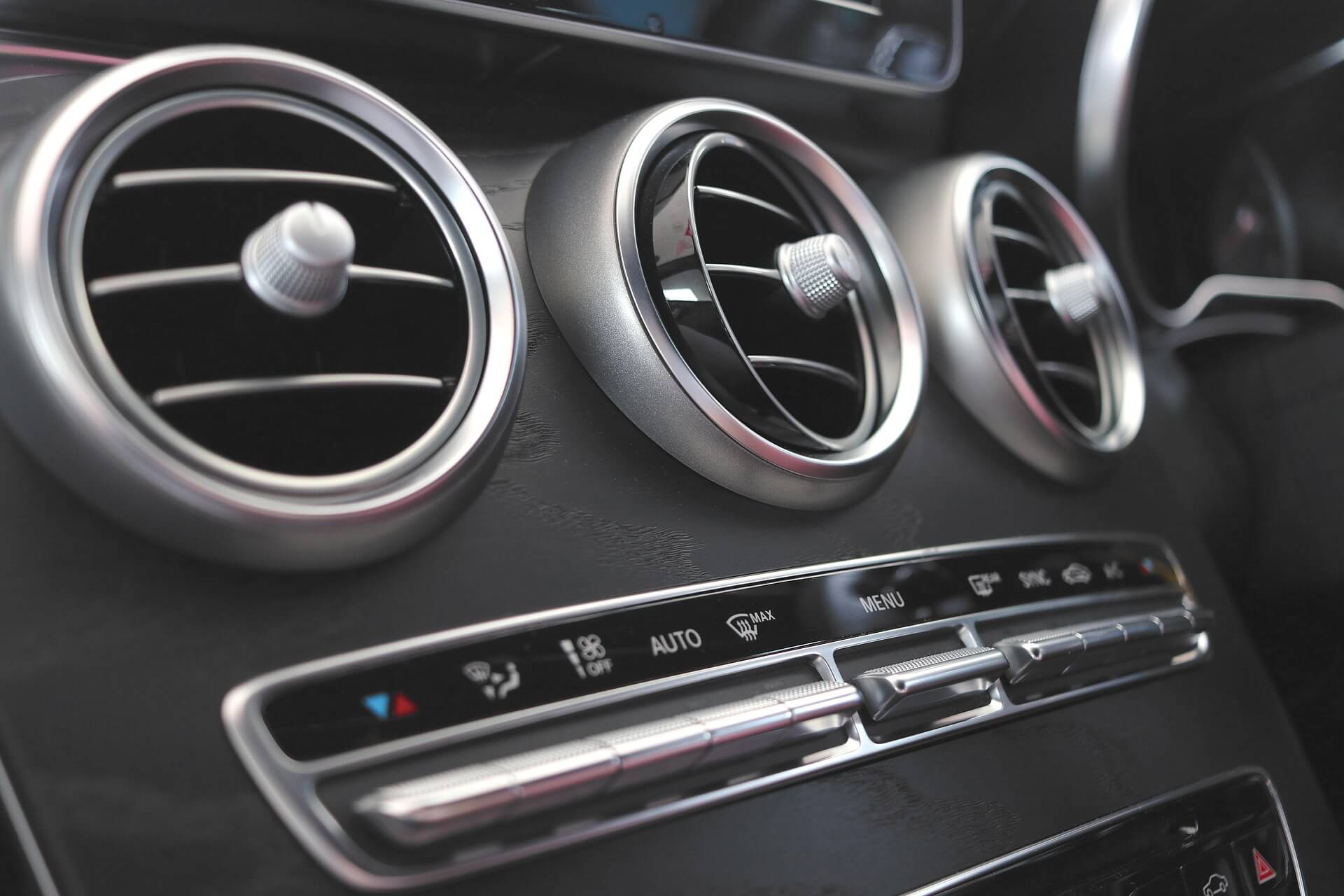
Studies have shown that driving in excessively hot conditions can impair concentration and reaction times, making a functional AC system a critical safety feature rather than merely a convenience.
One of the most common issues that can disrupt your car’s AC system is low refrigerant levels. Fortunately, this can be easily rectified by recharging the AC system using an aircon recharge kit. Recharging your AC can restore its cooling efficiency, ensuring your drives remain comfortable and enjoyable while potentially saving you significant money compared to professional servicing.
Understanding Air Conditioning Systems in Cars
To effectively recharge your car’s AC system, it’s vital to understand its basic components and how they work together to create that refreshing cool air. The AC system operates on the principles of thermodynamics, using refrigerant to transfer heat from inside your vehicle to the outside environment.
Key Components of Your Car’s AC System
The primary elements include the compressor, condenser, evaporator, expansion valve, and refrigerant:
- Compressor: Acts as the heart of the system, pressurizing the refrigerant and transforming it into a high-pressure, high-temperature gas. It’s driven by the engine via a belt and cycles on and off based on temperature demands
- Condenser: Located at the front of the vehicle (usually near the radiator), it cools the high-pressure gas, dissipating heat and changing it into a high-pressure liquid
- Expansion Valve (or Orifice Tube): Regulates the flow of refrigerant into the evaporator, causing a pressure drop that allows the liquid to expand and cool rapidly
- Evaporator: Located inside the dashboard, it receives the liquid refrigerant, and as it evaporates under low pressure, it absorbs heat from the car’s interior, effectively cooling the air that blows into the cabin
- Receiver-Dryer or Accumulator: Filters moisture and contaminants from the refrigerant, protecting the system from damage
These components work in harmony through a continuous cycle to maintain a pleasant temperature inside your vehicle, creating what’s known as the refrigeration cycle.
What is an Aircon Recharge Kit?
DIY aircon recharge kits let car owners easily top up refrigerant levels for better cooling, skipping costly professional services. These kits are designed for straightforward use by vehicle owners with basic mechanical knowledge.
Kit Components
Typically, these kits contain:
- A canister of refrigerant (usually 12-14 oz)
- A charging hose with built-in valve
- A pressure gauge (often integrated into the hose)
- Sometimes a leak detection additive (UV dye)
- Detailed instructions specific to the kit
Selecting the Right Kit
Selecting the correct kit for your vehicle is crucial, as it must match the refrigerant type—commonly R134a for vehicles manufactured between 1995-2017, or the newer R1234yf for most vehicles from 2017 onwards. Using the wrong refrigerant type can damage your AC system and void warranties. Always check your vehicle’s specifications, typically found on a label under the hood or in your owner’s manual, before purchasing a recharge kit.
Step-by-Step Guide to Using an Aircon Recharge Kit
Step 1: Gather Your Tools and Safety Gear
Before you begin, gather essential tools and safety gear to ensure a safe and successful recharge:
- Protective gloves (chemical-resistant)
- Safety goggles
- Your chosen aircon recharge kit
- Vehicle owner’s manual
- Thermometer (optional, for measuring vent temperature)
- Clean cloth or rag
Safety precautions are vital to prevent any accidental exposure to refrigerant, which can cause frostbite on contact and is harmful if inhaled. Always work in a well-ventilated area, preferably outdoors or in an open garage.
Step 2: Locate the Low-Pressure Service Port
Finding the low-pressure service port is a critical step. It is usually located on the larger of the two aluminum pipes (called the suction line) running from the compressor, typically between the compressor and the evaporator. The low-pressure port is distinguishable by its larger diameter compared to the high-pressure port, and most modern vehicles use different-sized fittings to prevent accidental connection to the wrong port.
Check your vehicle’s manual for exact locations, as they can vary between models. Common locations include near the firewall, along the passenger side of the engine bay, or near the AC accumulator. The port typically has a black or blue cap labeled “L” or “LOW.”
Step 3: Prepare and Connect the Recharge Kit
Before connecting, start your vehicle’s engine and turn the AC to maximum cooling with the fan on high. This activates the compressor and allows you to monitor the system during recharging.
Once the system is running, remove the cap from the low-pressure service port and attach the hose from the recharge kit to the port. Ensure the connection is secure to prevent any leaks. Most kits come with a quick-connect fitting that makes this process straightforward—you should hear a click when properly connected. Keep the refrigerant canister upright during this process.
Step 4: Check Initial Pressure and Recharge the System
Before adding refrigerant, check the current pressure reading on your gauge. Most gauges have color-coded zones indicating low (red), normal (green), and high (red) pressure ranges. The ideal pressure varies with ambient temperature but typically falls between 25-45 PSI when the system is running.
With the connection secure and engine running, proceed to release the refrigerant into the system. Hold the can upright (never upside down, as this can introduce liquid refrigerant into the compressor and cause damage) and press the trigger according to kit instructions. Add refrigerant in short bursts (5-10 seconds), monitoring the pressure gauge to ensure levels remain within the recommended range. This step is crucial for avoiding overcharging, which can damage the compressor.
Periodically shake the canister gently to help the refrigerant flow. The process typically takes 5-15 minutes depending on how low your system is. Stop adding refrigerant once the gauge reaches the green zone for your ambient temperature.
Step 5: Test the AC System and Final Checks
After recharging, disconnect the hose from the service port and replace the protective cap. Test your AC system by checking the temperature of the air coming from the vents—it should be approximately 15-20°F cooler than the ambient air temperature, typically producing air between 38-42°F at the vents.
Check for consistent cool airflow and listen for any unusual noises such as grinding, squealing, or clicking from the compressor area. Observe whether the compressor clutch engages and disengages normally (you’ll see the center of the pulley spinning when engaged). This confirms that the recharge was successful and that the system is functioning correctly.
Monitor your AC performance over the next few days. If cooling diminishes quickly, you likely have a leak that needs professional attention.

Common Mistakes to Avoid When Recharging Your AC
Several pitfalls can occur during the recharging process that can compromise your results or damage your system:
- Overcharging: Adding too much refrigerant can lead to inefficiencies, increased pressure, potential compressor damage, and even complete system failure. Always monitor the gauge carefully
- Using the wrong refrigerant type: Mixing R134a and R1234yf or using the incorrect type causes serious compatibility issues, potential system damage, and can be illegal
- Ignoring leaks: Recharging a system with leaks results in wasted refrigerant, environmental harm, and recurring problems. Address leaks before recharging
- Connecting to the high-pressure port: This is dangerous and can cause injury or equipment damage
- Adding refrigerant with the engine off: The compressor must be running to properly distribute refrigerant throughout the system
- Holding the canister upside down: This introduces liquid refrigerant into the compressor, potentially causing catastrophic damage
- Neglecting to check for proper compressor operation: If the compressor isn’t engaging, adding refrigerant won’t solve the problem
To prevent these issues, always follow the kit instructions carefully, verify your refrigerant type, and ensure your system is leak-free before proceeding. When in doubt, consult a professional.
The Benefits of DIY AC Recharge
Recharging your car’s AC system yourself offers numerous advantages:
- Cost-effective: Saves $100-$200 on labor costs compared to professional service, with DIY kits typically costing $30-$60
- Convenience: Complete the task on your own schedule without waiting for appointments
- Empowerment: Provides a sense of accomplishment and increased confidence in handling vehicle maintenance
- Knowledge: Enhances understanding of your vehicle’s maintenance needs and how systems work
- Quick solution: Addresses minor refrigerant loss immediately rather than suffering through hot weather while waiting for service
- Educational value: Builds mechanical skills that apply to other maintenance tasks
However, it’s important to recognize that DIY recharging is best suited for simple refrigerant top-ups in otherwise healthy systems, not for addressing underlying mechanical problems.
When to Seek Professional Help
While a DIY recharge is feasible for many situations, certain conditions necessitate professional intervention. Recognizing when to call in an expert can save you time, money, and prevent further damage:
- Persistent leaks: If your system loses refrigerant quickly (within weeks), you have a leak that requires professional detection and repair
- Unusual noises: Grinding, squealing, or knocking sounds from the compressor indicate mechanical problems beyond simple recharging
- No cooling after recharge: If the system fails to cool after proper recharging, there may be electrical issues, a failed compressor, or blocked expansion valve
- Visible damage: Oil stains around AC components, damaged hoses, or corroded fittings require professional assessment
- Compressor won’t engage: If the compressor clutch doesn’t activate, the issue may be electrical or mechanical
- System completely empty: If your system has no pressure at all, it likely has a significant leak and may have been compromised by moisture and contaminants
- Warranty considerations: If your vehicle is under warranty, DIY work may void coverage
Professional expertise ensures any underlying issues are addressed correctly, and technicians have specialized equipment for leak detection, system evacuation, and precise refrigerant charging that goes beyond what DIY kits can accomplish.
Essential Maintenance Tips for Long-Term AC Performance
Beyond recharging, maintaining your AC system properly extends its lifespan and ensures optimal performance:
- Run your AC regularly: Even in winter, run the AC for 10 minutes monthly to keep seals lubricated and prevent refrigerant stagnation
- Replace cabin air filters: Clogged filters reduce airflow and strain the system; replace every 12,000-15,000 miles
- Clean the condenser: Remove debris, leaves, and dirt from the condenser fins to maintain efficient heat exchange
- Check for leaks annually: Visual inspections or UV dye tests can catch small leaks before they become major problems
- Service the system professionally: Have a complete AC service every 2-3 years, including evacuation, leak testing, and proper recharging
- Address issues promptly: Small problems become expensive repairs if ignored
- Park in shade when possible: Reduces strain on the AC system and helps maintain cooler cabin temperatures
