


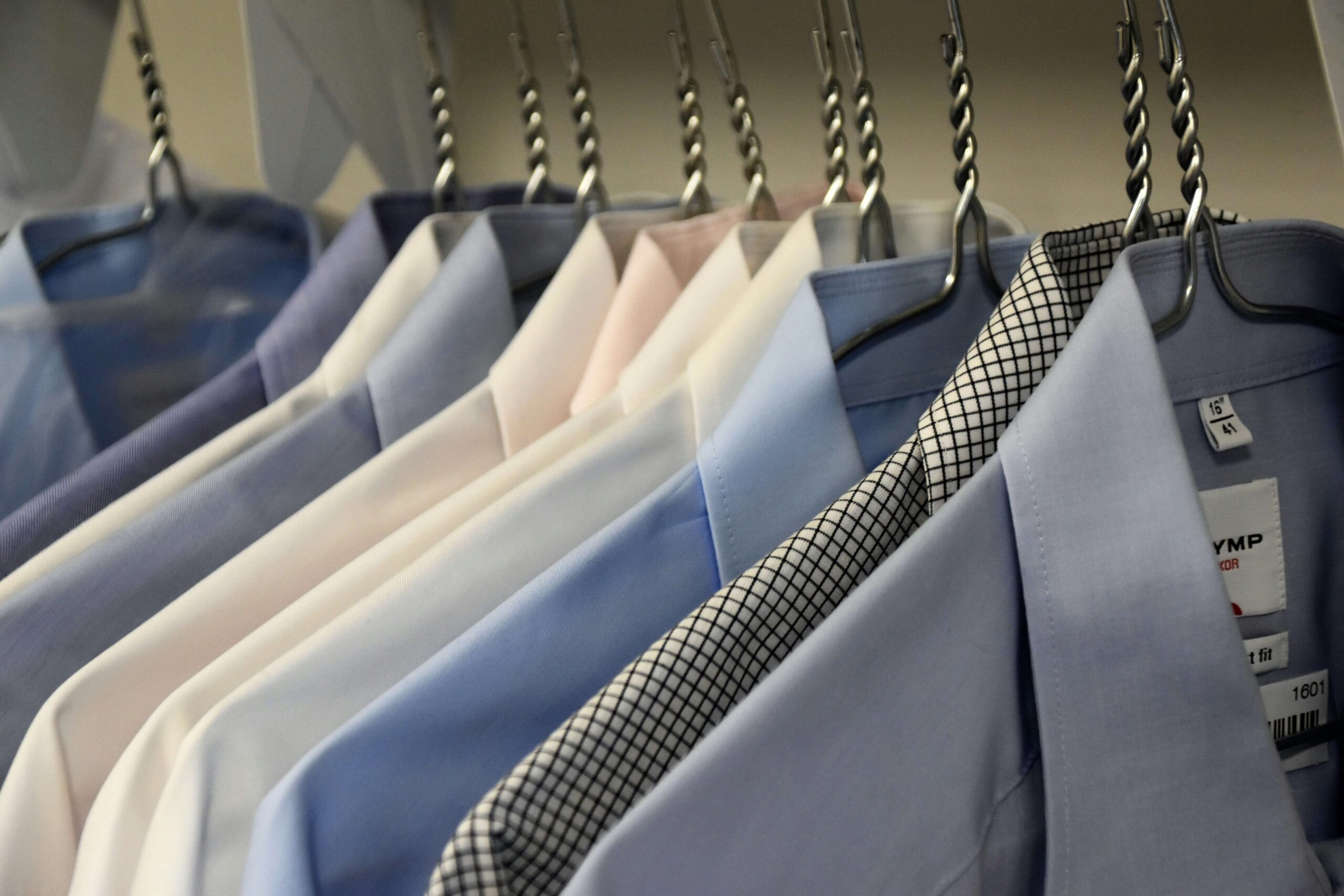
Wedding outfits, formal dresses and tailored suits often spend far more time in storage than in use. A simple routine before and after an event can preserve their shape, prevent stains setting and make the next occasion easier.
Read the care label first
Fabric appearance does not reliably reveal how a garment should be cleaned. Linings, trims, adhesives and structured sections may require different handling from the outer cloth. Follow the label and avoid experimenting on a valuable item shortly before an event.
Respond to marks without rubbing
Blot a fresh spill gently with a clean absorbent cloth and avoid heat. Rubbing can spread the mark or disturb fibres. Make a note of what caused the stain because that information may help the cleaner choose an appropriate treatment.
Air garments before storage
After wear, allow moisture and odours to disperse in a ventilated space away from direct sunlight. Empty pockets and check hems, cuffs and underarms. Where the label calls for professional Dry Cleaning, deal with marks before months of storage make them harder to assess.
Store with shape in mind
Use a supportive hanger for structured pieces and fold heavy knitwear to avoid stretching. Choose a clean, dry and breathable storage area. Avoid packing garments tightly or leaving them in temporary transport covers for long periods.
The routine is intentionally short: check, treat appropriately, air and store. It protects special clothing without turning wardrobe care into another complicated household project.
Prepare before the next event
Try on stored pieces with enough time to address a loose button, fallen hem or fit change. Inspect shoes and accessories at the same time so the whole outfit is ready. Returning garments to breathable storage afterwards keeps the routine circular and prevents the next occasion beginning with a rushed search for damage.
Sort garments by construction
Structured jackets, embellished dresses and delicate vintage pieces have different storage needs. Heavy garments may distort on a weak hanger while fine fabrics can snag against beads or rough fastenings. Fasten zips and hooks where appropriate, add tissue between vulnerable surfaces and avoid forcing several pieces into one cover. The goal is to support shape without creating pressure marks.
Treat invisible residue seriously
Clear drinks, perspiration and food oils may leave little immediate colour but can oxidise or attract pests during storage. Check collars, cuffs, underarms and lap areas in good light. Do not apply a household stain product unless the care instructions and fabric make it suitable. When professional treatment is needed, explaining the likely source and age of the mark helps the cleaner assess it.
Give vintage items extra caution
Age can weaken fibres, seams, linings and decorative attachments even when a garment looks robust. Test handling at an inconspicuous point, support the full weight and avoid hanging a heavy vintage piece for long periods without advice. Labels may be missing or refer to materials no longer common, so specialist assessment can be more appropriate than following a modern general routine.
Manage event-day risks
Carry a clean cloth and deal with spills by blotting rather than rubbing. Avoid applying heat or coloured napkins to an unknown mark. When changing clothes, use a clean dry area and place garments on a hanger rather than over furniture. These small habits reduce the chance that a minor incident becomes permanent damage before the outfit reaches suitable care.
Review the storage environment
Wardrobes against cold external walls can develop condensation while lofts and garages may experience large temperature changes. Choose a dry, ventilated internal space and leave enough room for air to move. Check occasionally for damp smells, insects or colour change. Cedar and other products should not rest directly against delicate fabric unless the material is known to tolerate contact.
Keep a simple wardrobe record
For valuable or seldom-worn pieces, note when they were cleaned, altered and last inspected. Store spare buttons and care information in a labelled envelope rather than loose in a pocket. A photograph can help identify missing accessories and provides a reference for insurance or repair discussions. Organisation supports care without turning the wardrobe into an archive project.
Rotate stored pieces gently
Long storage can create creases or pressure at the same fold. During a periodic inspection, refold suitable garments along a different line and check that tissue and supports remain clean. Handle delicate pieces as little as practical and stop if the fabric or embellishment shows weakness.
Return every item to its labelled cover or box after inspection so accessories, care notes and the garment remain together for the next occasion.
Separate cleaning from repairs and alterations
Cleaning, mending and alteration are related but different jobs. Check loose hems, missing fastenings, damaged linings and strained seams before sending an outfit for cleaning. Pointing these out early helps avoid confusion about when the damage occurred and allows the work to be planned in a sensible order. A garment that needs significant alteration may require cleaning first, while a fragile trim might need securing before normal handling. Keep any detached bead, button or hook in a labelled envelope rather than attempting a rushed repair with an unsuitable adhesive. After the work is complete, try the outfit on again so there is time to correct the fit without placing fresh strain on cleaned fabric.
Plan transport as carefully as storage
Occasion wear can be damaged during a short journey even after months of careful storage. Use a breathable garment cover that supports the full length without crushing the hem, and avoid placing heavy bags on top. If the outfit must be folded, add clean tissue at the folds and unpack it promptly on arrival. Allow enough time for creases to relax naturally rather than applying untested heat. Keep shoes, jewellery and cosmetics in separate bags so hard edges, polish and spills cannot mark the fabric. On the return journey, do not seal a damp or stained garment in plastic for longer than necessary. Air it safely, record any marks and arrange suitable care before returning it to long-term storage.
Check the complete outfit before putting it away
Accessories can transfer damage to the main garment if they are stored together without inspection. Look for sharp clasps, loose stones, colour transfer from shoes and residue from make-up or perfume. Empty handbags fully and wrap jewellery separately. If a belt or decorative piece belongs with the outfit, label it and store it nearby without pressing it against delicate cloth. This final check also provides an opportunity to note which items need repair or replacement before the next event. Treating the outfit as a complete set reduces last-minute searching and prevents a clean garment being paired with an accessory that could immediately stain, snag or distort it.
