


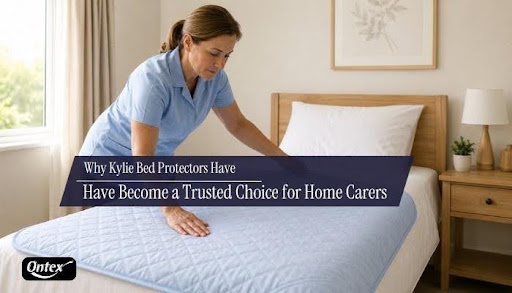
If you’re caring for someone who deals with overnight incontinence, you already know the drill. The sheets are soaked, the mattress is damp, and neither of you slept through the night. Over time, those disruptions affect your energy, your mood, and your ability to keep up with daily care.
That’s why so many Australian carers now reach for a Kylie bed protector as part of their home care bedding. We at Ontex Healthcare have produced the Kylie range for over 40 years, supplying hospitals, aged care facilities and families across the country.
And in this article, we’ll cover how the 5-layer system works and what sets Kylie apart from generic bed pads. You’ll also find the right size and style for your care setup.
What Makes a Kylie Bed Protector Different From Generic Bed Pads
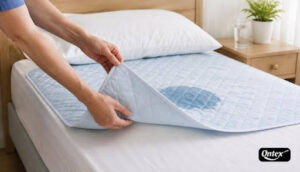
Kylie isn’t a generic label you’ll find on any bed pad. It’s a trademarked Australian product that nurses in hospitals started using in the early 1980s. Since then, the name has become shorthand for washable incontinence bed protection across the home care and aged care market.
You can feel the difference the moment you unpack one next to a generic pad. Most budget options use a single absorbent layer with thin waterproof backing, and they wear out after a handful of washes.
Meanwhile, Kylie protectors use a multi-layer construction with anti-mould and anti-fungal treatment built into the fabric. So they last through hundreds of cycles without losing absorbency.
We’ve supplied the range to carers and facilities across Australia for over four decades, and the feedback keeps pointing to durability and quality above all else. Even independent Australian labs have tested every product for absorbency, leakage and skin safety, and Kylie exceeds the benchmark in each one.
Wondering what sits underneath that quality? Five layers of protection.
How 5-Layer Reliable Protection Prevents Bed Wetting Accidents
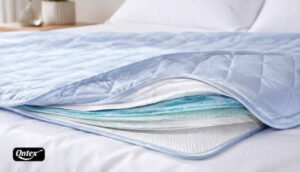
The Kylie bed pad keeps your loved one dry overnight because each of its five layers handles a specific job. Together, they form a system of reliable protection that most single-layer alternatives on the market can’t match.
A Kylie mattress protector stacks those layers to prevent bed-wetting accidents, and each one has a specific job:
- Soft Comfort Layer: The quilted top fabric feels soft against skin and won’t pill over time, so the person sleeping stays comfortable through the night (that’s the layer most budget options skip).
- Highly Absorbent Core: This middle section draws moisture away from the body fast and traps it deep inside the pad, which means fewer bedtime disruptions and less washing at odd hours.
- Even Distribution Layer: Instead of pooling in one spot, fluid spreads across the full surface of the protector for extra protection, so the absorbent core works at full capacity.
- Sealed Waterproof Barrier: A waterproof layer sits beneath the core to stop leakage from soaking through to your mattress or bottom sheet, even during heavy leaks.
- Non-Slip Backing: The bottom layer grips your bed surface to keep the pad secure overnight, so it won’t bunch or slide while your loved one moves during sleep.
To be honest, most generic pads skip at least two of those layers. That’s why they feel stiff, lose absorbency after a few washes, and let fluid seep through to your sheets.
The Kylie system, on the flip side, is built for adults, children, and anyone in between who needs incontinence bed protection that holds up through frequent washing.
What Waterproof Backing Does for Your Mattress Protector
Did you know that the waterproof backing on a Kylie mattress protector creates a sealed barrier between your bed and any overnight leakage? Even during heavy leaks, no fluid passes through to stain your sheets or soak into the mattress (and replacing a mattress isn’t cheap).
Kylie takes this a step further with two backing types designed for different bed setups. The non-slip version grips fabric surfaces like a bottom sheet or fitted cover, so the pad stays secure as your loved one shifts during sleep. For hard surfaces like vinyl bases in aged care or hospital settings, the smooth-backed version sits flat without bunching.
Whichever type you choose, both use latex-free, dermatologically tested materials that suit adults and children with sensitive skin. So, if someone in your care already wears incontinence underwear or diapers overnight, a waterproof bed protector adds another layer of defence. It covers the full sleeping surface so nothing reaches the mattress.
Washable Bed Pads vs Disposable Bed Pads in Personal Care
Once you’ve sorted the waterproof layer, the next question most carers ask is about cost. Washable bed pads and disposable bed pads serve different purposes in personal care routines, and the long-term numbers tell very different stories.
| Washable Bed Pads | Disposable Bed Pads | |
| Cost Over Time | Lower, one pad lasts through hundreds of washes | Higher, you restock every week or fortnight |
| Convenience | Requires washing at 60°C after each use | Simply place a fresh pad and dispose after use |
| Sustainability | Reusable products generate far less landfill waste | Single-use pads fill your bin fast |
| Absorbency After Use | Holds up through frequent washing if you skip fabric softener | Varies by brand, single-use only |
When you do the maths over a few months, the washable option starts to look like a no-brainer (your bin will thank you too).
A single Kylie washable pad saves families good money against the cost of restocking disposable pads on a weekly basis. And carers who provide daily continence support notice that that cost difference stretches across a full year of personal care.
That said, disposable bed pads are still worth keeping on hand. They’re handy for travel, overnight hospital stays or short-term respite care when washing isn’t practical. Ontex Healthcare produces both the Kylie washable range and the iD disposable range, so you can switch between the two for different care needs.
Of course, none of that helps if the protector doesn’t fit your bed in the first place.
Waterproof Mattress Protectors in King Single and Aged Care Sizes
Kylie fitted mattress protectors come in four standard Australian bed sizes: single, king single, double, and queen.
Each one wraps snugly around the mattress with a PVC cover that won’t shift overnight, even when the person sleeping moves around. For aged care facilities and home setups with king single beds, that kind of stability means fewer midnight disruptions for carers and fewer sheet changes overall.
Believe it or not, sizing is one of the first things carers get wrong when ordering online. From what we’ve seen working with aged care providers across Australia, single and king single protectors sell far more than double or queen.
The NDIS (National Disability Insurance Scheme) recognises bed protection as a continence support under its funding guidelines. So eligible customers can claim the cost of waterproof mattress protectors through their plan.
With all of that covered, the complete Kylie range suits children, adults and ages in between. You’ll find whisper-quiet, leak-proof options in stock for every bed type. And you can simply place your order for a single protector at home or a full supply for a care facility.
Choosing the Right Incontinence Bed Protection for Your Home
You’ve seen how the Kylie range handles overnight leakage, daily wear and different bed sizes across one product line. The 5-layer system, waterproof mattress protectors and washable pads each serve a specific role in keeping your loved one’s bed dry and comfortable.
Now, where do you go from here? Ontex Healthcare stocks the complete range in various sizes, and we offer free samples so you can feel the quality for yourself before ordering.
