


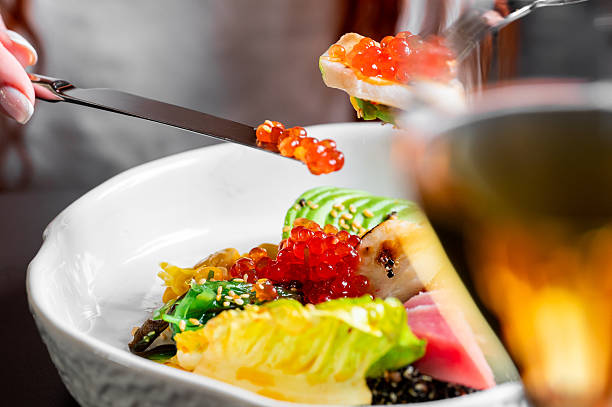
There’s something quietly revolutionary about Pan-Asian cuisine. It’s the food world’s greatest mix-and-match moment: a flavourful, riotous mashup that celebrates difference while finding harmony in the chaos. Have a think about this: a Thai basil stir-fry served with Korean kimchi pancakes; a plate of Japanese gyoza sitting alongside a rich Indian curry. It shouldn’t work, but somehow it does. Pan-Asian food is the dinner party guest everyone loves: versatile, charming, and history-rich.
But well before Pan-Asian food was a menu option or a trendy restaurant trend, Pan-Asian food was a notion born of sympathy. It’s proof of centuries of migration — of individuals, spices, and minds cross-hatching the continent. From South Asia’s spice routes to Southeast Asia’s cosmopolitan ports, cuisine has been a labor of cultural mixing all along. Tamarind journeyed from Africa to India; chilies emigrated from the Americas to be the beating core of Szechuan and Thai food. Pan-Asian cuisine, in a way, is merely today’s remix of the very same story.
The Art of Harmony in Chaos
What makes Pan-Asian cuisine so compelling is its balance. You’ve got the fiery boldness of Thai and Malaysian dishes, the subtle precision of Japanese cuisine, and the soulful comfort of Chinese and Vietnamese cooking, all sitting comfortably under one umbrella.
It’s a balancing act of flavour and texture: sweet meets salty, crunchy plays with smooth, spice rubs shoulders with calm. It’s also deeply visual. Pan-Asian cuisine comes out looking like a piece of edible art: glistening sauces, gem-colored vegetables, and subtle touches that are almost too pretty to eat. It’s not pretension, though; it’s confidence. Everything tastes, whether it’s the smoky yakitori skewer blackened over binchōtan charcoal or a steaming pho bowl full of homey aroma.
And yet, this is not a random mash-up. Excellent Pan-Asian cuisine doesn’t water down everything down to a single consistency. It’s more like a superior DJ mix — smooth segues, surprise drops, and just the right measure of chaos.
The Rise of the Pan-Asian Restaurant
Step into a great pan asian restaurant and you’ll feel that pulse right away, the hum of chopsticks clinking, the sizzle from the open kitchen, the soft glow of paper lanterns or neon signs. The menu reads like a love letter to the continent: bao buns, sushi rolls, bibimbap, laksa, satay, dim sum — a culinary passport to Asia without needing to pack a bag.
It happens in London, because the city itself embodies it: multicultural, vibrant, and never contented with just one flavour. From Shoreditch to Soho, Pan-Asian grub has become an unstated option for groups who can’t make up their minds between noodles or sushi, rice or ramen.
At Chotto Matte, the Peruvian-Japanese Nikkei fusion is art and nightlife — black cod, sashimi tacos, and glittering cocktails. Ping Pong brings a dim sum party to the West End, all bamboo baskets and hot buns. At King’s Cross, Hoppers elevates Sri Lankan street food into a stylish, spice-filled banquet, and at Covent Garden, Inamo keeps it lively with interactive tables and pan-Asian small plates to share.
It’s social dining at its finest — casual but engaging, comfortable but still a little bit new.
Beyond the Menu: A Cultural Mosaic
Pan-Asian cuisine is not just about mixing flavors. It’s about mixing stories. Across Asia and the globe, upstart chefs are reworking cookbook recipes with modern twists. They’re recombining grandma’s cookbooks for city living that are lighter, faster, edgier. A bowl of ramen can have a kimchi broth. A curry can have tempura lotus crisps on top. It’s an ego-less innovation.
And it challenges conventional ideas about what “authentic” even means. Food has never been static, it’s a living language, shaped by commerce, travel, and the passage of time. The same meal might taste different in Bangkok, Tokyo, or Hanoi — and that’s why it’s so wonderful.
Pan-Asian cuisine embraces that difference. It celebrates connection, not competition. It says: “Yes, we’re different — but wait till you try what happens when we collaborate.”
The Social Face of Pan-Asian Cuisine
One of the main reasons Pan-Asian cuisine hits so hard is that it’s meant to be shared. It’s the culinary equivalent of a group hug. You don’t order one dish; you order five, maybe seven, and pass them around the table. There are jokes, debate over what’s hottest, and that moment when everyone reaches for the last dumpling at the same time.
It’s food of the moment — for birthdays, late-night catch-up meals, and mid-week hunger pangs that lead to cocktails and confessions. It’s little wonder it’s a favourite among restaurant group bookings. You can satisfy the vegan, the spice-fiend, and the “I’ll just have something mild” friend in one go.
Even the atmosphere is a part of that togetherness. Pan-Asian restaurants opt for the atmosphere with open kitchens, bright colors, soundtracks switching between Japanese lo-fi and Seoul’s indie pop. It’s supper with a beat.
Pan-Asian in the City: Where to Try It
London is full of highlighted restaurants that get the Pan-Asian thing just right.
- Roka (Charlotte Street): a hip, modern grill where Japanese robata meats cross with sophisticated small plates.
- Farzi Café (Piccadilly): Indian food that mucks about with international trends which consider deconstructed shepherd’s pie with tamarind and spiced lamb.
- Tootoomoo (Crouch End & Highgate): a local hero that combines Chinese, Thai, and Malaysian tastes with authentic comfort-food character.
- Bun House (Soho): pillowy bao buns, tangy pickles, and a neon sheen that’s East-meets-West as cool as it gets.
Each and every one proves Pan-Asian food isn’t a trend, it’s cross-cultural conversation, spoken in the culinary language that best communicates.
Where It’s Headed Next
Evolved as a movement, Pan-Asian cuisine is getting more creative. Chefs are mining regional street food cultures, emphasizing understudied cuisines like Filipino, Burmese, or Laotian, and experimenting with sustainability-driven ingredients.
You’ll see more yuzu cocktails, plant-based takes on classics like katsu curry, and menus that travel even deeper into Asia’s lesser-known corners. The next wave isn’t just about fusion — it’s about inclusion. It’s about honouring the roots while exploring what’s next.
And honestly? That’s exactly what makes it exciting.
For at the heart of Pan-Asian cuisine lies mobility — ongoing movement of flavor, texture, and tradition. It’s a cuisine that never stops, never stops learning, and never loses its appetite for something new.
So the next time you’re ordering dinner, break the habit. Round up your friends, order in the take-out, and get into the mix. Whether a bao, a laksa, or a brand new tempura, you’re not simply consuming food — you’re consuming the continent’s history, its multiculturalism, and its future, all in one bite.
That’s Pan-Asian food. A flavour-zoned continent with a table that’s always large enough for everybody.
