


Medical cannabis isn’t a one-size decision or a magic fix. The details determine whether it is workable once real life kicks back in. From how quickly something acts to how easily it fits around family, work, and tired evenings, form can be the difference between something that sounds good and something that actually holds up.
Medical cannabis can sound more complicated than it needs to be. For a lot of people, the confusion starts before they even think about clinics or prescriptions. Is it oils, flower or vapes? Or something else entirely? And does the format actually change how it feels day to day? Those questions tend to come up early, especially for people trying to make sense of legal options without stepping back into old stereotypes.
Why Form Changes How Medical Cannabis Fits Into Real Life
When people first hear “medical cannabis,” most picture one vague thing and move on. The reality is less tidy. There are different formats, and they don’t all behave the same once you’re back in the real world, juggling work and family with limited patience for fuss. Some options take longer to feel, but last longer. Others act faster and wear off sooner. That difference shows up when you’re trying to get through an afternoon, not when you’re filling in forms.
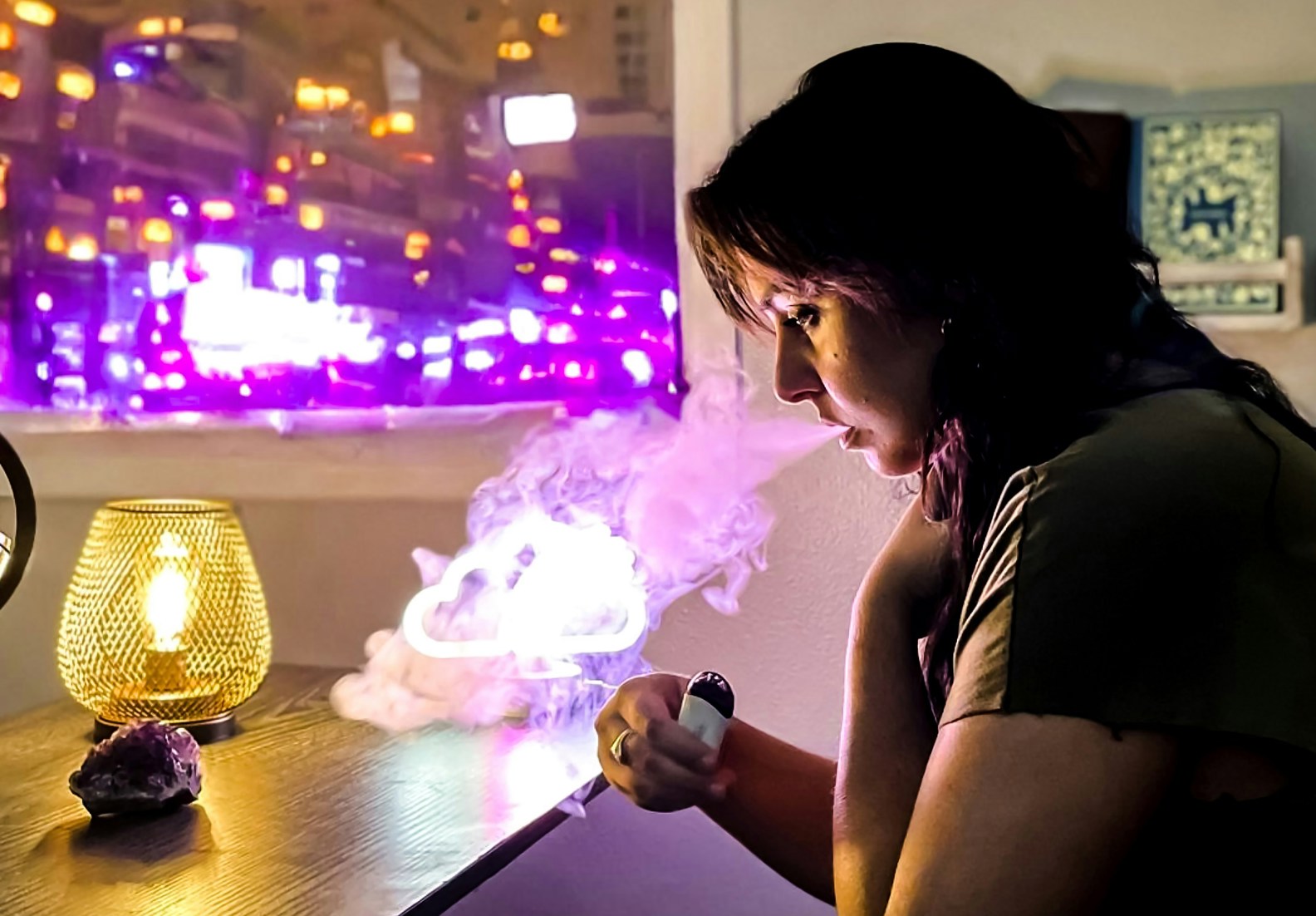
This is where THC vapes in the UK come into the conversation. The format affects how quickly something is felt and how easy it is to judge whether it’s doing anything at all. That doesn’t mean one approach suits everyone. It explains why the form itself becomes part of the decision, not a detail you deal with later.
Where Clinical Oversight Actually Comes In
Once format enters the picture, the role of clinical oversight starts to make more sense. This isn’t about choosing something off a shelf or chasing a particular effect. It’s about making sure whatever is prescribed fits safely inside someone’s wider health picture. In the UK, medical cannabis sits under specialist care, which means decisions are reviewed and adjusted, and sometimes changed entirely as things unfold.
That framework exists because responses vary from person to person. What feels manageable for one person may feel awkward or unpredictable for another. The aim is not to lock someone into a format but to keep the door open for reassessment. That’s where the structure comes into play. It keeps the focus on safety and suitability, rather than treating form as a fixed choice made once and forgotten.
How Private Clinics Handle Those Decisions
This is where a private cannabis clinic earns its place in the process. The job isn’t to push a particular product or steer someone toward a single format. It’s to look at how a person actually lives and whether a prescribed option makes sense inside that lived reality. That includes how quickly something takes effect, how easy it is to stop or adjust and how it fits around work and family life.
Private care allows for that kind of back-and-forth. Prescriptions are reviewed, not locked in. If a format feels awkward or hard to manage, it can be reconsidered without starting from scratch. That flexibility is often what people are really looking for. Not a shortcut, but a way to stay inside the system while still feeling like the treatment works in practice.
Why Doctors Don’t Treat Every Option the Same
When a clinician looks at medical cannabis, they’re not working from vibes or preference. They’re working from what has been studied properly and what can be reviewed without guesswork. NICE guidance doesn’t talk about cannabis as one single thing. It separates products and situations based on how solid the evidence is and how reliably they can be managed in real use.
That’s why some formats are easier to work with than others. If a doctor can see how something is being used, and check in on how it’s going, it stays within safer ground. When that isn’t possible, things get harder to assess.
How Everyday Health Still Fits Into the Picture
Even with a prescription and a format that feels manageable, the basics don’t disappear. How someone sleeps, eats, hydrates, and copes with stress still affects how life feels day to day. That part is easy to overlook because it sounds obvious, but it’s often where small problems creep in. Feeling ‘off’ can come from routine slipping, not from the treatment itself.
Things as simple as hydration can change how the body responds and how clear-headed someone feels, especially when routines are already stretched thin. This isn’t about adding rules or piling on advice. It’s about remembering that medical cannabis doesn’t replace looking after the basics. It sits alongside them, working best when the rest of life isn’t running on empty.
Bringing It Back to Everyday Reality
Medical cannabis isn’t one decision made on a single day. It’s a series of choices that need to hold up once life carries on as normal. Prescriptions open the door, but form decides how easy it is to live with what’s on the other side. That’s why these conversations don’t stop at approval or paperwork.
When form is treated as part of that picture, the whole thing becomes less intimidating and a lot more human.
