


Building a consistent wellness routine means choosing a set of healthy habits and doing them on a regular schedule to support your overall health. It is not a quick trend or a short-term fix. It is a clear choice to do things that support your body, steady your mind, and lift your mood.
When these habits become part of your normal day, healthy choices start to feel natural instead of feeling like hard work. This article walks you through the process, from the basic parts of a routine to common problems, so you can build a plan you can stick with long term.
What Is a Consistent Wellness Routine?
At its core, a consistent wellness routine is your own day-to-day plan that includes your healthy habits. This can include how you move your body, how you sleep, what you eat, how you balance work or school with your personal life, and simple self-care actions. The idea is to create a steady structure that supports your well-being in more than one way. A good routine is not strict or harsh. It has room to bend so it can guide you without feeling like too much.
A steady routine helps keep your health a priority, which makes it much easier to keep going even when life gets busy. Over time, health becomes less about constant choices and more like a normal way of living. Doing these habits regularly is also a kind of prevention that can support better health as you age. For example, using high-quality, organic ingredients is a solid step, and you can find helpful products and information at Circle Organics to support smart food choices for strong nutrition.

Key Components of a Wellness Routine
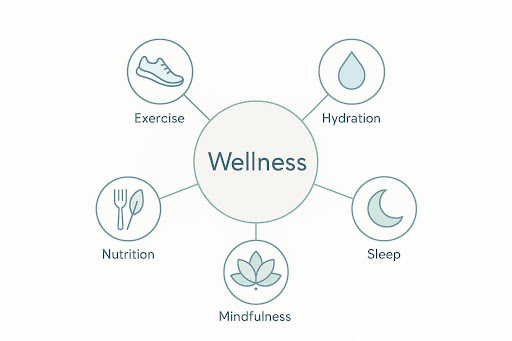
A well-rounded wellness routine covers a few main areas that work together. These often include regular exercise or movement, balanced meals and steady hydration, enough sleep, stress support (like mindfulness, meditation, or slow breathing), and healthy social connection. Each part matters on its own, but they also help each other. For example, steady sleep supports recovery and hormones, which can improve your energy for exercise and help you think more clearly during the day.
Many routines also include personal self-care that fits you. This might be journaling, spending time outdoors, doing a creative hobby, or taking quiet time to think. The goal is to shape a routine that includes movement, nourishing food, rest, and connection so you have a strong base for long-term health and everyday happiness.
How Consistency Impacts Results
Consistency is the main driver behind real wellness progress. Research shows that a large share of what we do each day-up to 40%-comes from habits instead of active decision-making. So a big part of life already runs on autopilot. When you repeat healthy actions often enough, they move from “something you have to remember” to “something you just do.” This also reduces the mental load of constant choices and saves your energy for work, learning, and creative thinking.
Small actions add up. A simple habit like drinking water when you wake up or stretching for five minutes can look minor in the moment. But when you do it daily for weeks and months, it can lead to real health changes. Steady effort over time usually works better than short bursts of intense focus followed by long gaps.
Why Does Consistency in Wellness Matter?
Staying consistent with wellness habits is what separates short-lived health pushes from a strong, steady lifestyle. When your body and mind get used to a regular pattern of supportive actions, things often feel smoother and more balanced. Predictability can also lower stress and anxiety, helping you feel calmer and more in control during the day.
You can think of your routine as steady support you can count on. Without consistency, efforts can feel scattered, and it becomes harder to see progress or build momentum. Regular actions-more than rare “perfect days”-are what build long-term health and energy.
Benefits for Physical Health
A consistent routine supports your body in many ways. Regular movement helps build strength, support the heart, and improve overall fitness. Steady sleep helps with hormones, cell repair, and immune health. Eating balanced meals at regular times supports more stable blood sugar, a healthier metabolism, and weight management.
Daily stretching can improve flexibility, support circulation, and lower injury risk. These repeated actions act like daily prevention. Over time, they can help lower the risk and impact of chronic health problems and help you stay active and capable.
Mental and Emotional Health Advantages
Consistency also supports your mood and emotional balance. A predictable routine can reduce stress and help you feel more stable. Morning and evening rituals can help you start and end the day with intention. When your body and mind follow a familiar pattern, focus can improve, and decision-making can feel easier.
Routines that include gratitude, mindfulness, or journaling can help build emotional strength. Even a short daily meditation can calm your nervous system and help you feel more grounded. These regular practices support balance, a more positive mindset, and stronger emotional health.
Impact on Daily Energy and Focus
A steady wellness routine can lead to more even energy and sharper focus. When you sleep enough, eat well, drink enough water, and move your body regularly, your energy systems work better. Eating at consistent times can help prevent major blood sugar swings that often cause afternoon crashes. Regular movement-even short breaks-can also boost energy and support clearer thinking.
Also, when healthy habits become automatic, you spend less mental effort deciding what to do. That can lower mental fatigue and help you stay focused longer. A well-planned routine supports your health in many ways and helps you move through the day with more energy, clearer thinking, and direction.
How Habits Shape a Wellness Routine
Much of daily life is made up of habits we do without thinking. Learning how habits form helps you build a routine you can keep. Habits shape what you eat, how you respond to stress, and how you spend your time. They make life easier because they reduce the need to think through every step-this is why using habits for wellness can work so well.
When you build positive habits on purpose, you teach your brain to choose the healthy option by default. This does not make life stiff or overly planned. It creates a supportive rhythm that helps your well-being and saves mental energy for deeper thinking and problem-solving.
The Science of Habit Formation
Habits often follow a simple three-part loop: cue, routine, reward. The cue is the trigger that starts the behavior (like waking up, finishing a task, or feeling stressed). The routine is the action you take (like drinking water, stretching, or meditating). The reward is the positive result that follows (like feeling refreshed, less tense, or proud of yourself). The reward helps your brain want to repeat the behavior.
With repetition, your brain strengthens the pathways linked to that loop, and the action starts to feel automatic. A helpful approach is to plan your habits with clear cues and a reward you actually feel. For example, the calm you feel after meditation or the relief after stretching can be strong reasons to keep going.
How Long Does It Take to Build a Wellness Habit?
The idea that it takes exactly “21 days to build a habit” sounds nice, but it is not accurate for most people. Research shows it can take anywhere from about 18 days to 254 days for a behavior to feel automatic, with an average around 66 days. The time depends on the habit itself, your personality, and how often you practice it.
The main point: lasting habits take time. If a new wellness practice still feels hard after a few weeks, that does not mean you failed. Keep showing up, even when it is not perfect. With repetition, many habits become easier and start to feel like a normal part of your day.
Common Barriers to Consistency
Even with strong goals, consistency can be hard. Common problems include low motivation, limited time, or goals that are too big at the start. Many people fall into “all-or-nothing” thinking, where missing one day leads to quitting completely. Perfectionism can also get in the way because real life rarely goes exactly as planned.
Big life changes, stress, surprise schedule shifts, or low energy can also disrupt routines. Noticing these barriers is the first step. Once you know what usually trips you up, you can plan simple ways to work around it and keep your routine steady over time.
Steps to Build a Consistent Wellness Routine
Building a consistent wellness routine is usually not about big dramatic changes. It is built through steady, realistic steps you can repeat. It also takes intention and a bit of trial and error so you can find what fits your lifestyle. With planning and a few smart strategies, you can avoid the common pattern of starting strong and stopping quickly.
The goal is to build a rhythm that works with your body and mind so wellness feels like a normal, enjoyable part of your day-not another heavy task on your list. Below are practical steps you can use.
Set Simple, Achievable Goals
A strong routine starts with clear goals you can actually do. General goals like “eat better” or “sleep more” are hard to measure. Instead, use SMART goals: Specific, Measurable, Achievable, Realistic, and Time-bound. For example, instead of “exercise more,” try “I will walk for 10 minutes after breakfast” or “I will do a 20-minute bodyweight workout three times a week on Monday, Wednesday, and Friday.”
Start small. Add a 5-10 minute walk after dinner, drink one extra glass of water daily, or move your bedtime earlier by 15 minutes. Small steps build confidence and momentum without feeling like too much.
Anchor Wellness Activities to Existing Habits
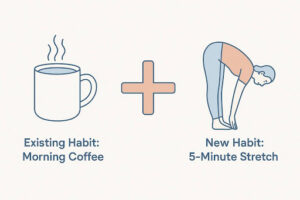
A useful way to add new wellness habits is “habit stacking.” This means you attach a new habit to something you already do automatically. If you always make coffee in the morning, you could stretch while it brews. If you check your phone often, you could drink a glass of water each time you pick it up.
Linking new actions to old ones makes them easier to remember because you are using a routine your brain already knows. Habit stacking also feels more natural than trying to wedge a brand-new task into an already busy day.
Track Progress and Celebrate Small Wins
Motivation grows when you can see progress. Track your habits in a notebook, on a calendar, or with a habit-tracking app. Seeing a streak can help you keep going and makes the habit feel more real and established.
Also, celebrate small wins. If you stay hydrated for a week or stretch for ten days in a row, mark it. Give yourself a reward that feels good and supports your life-like a relaxing walk, time for a hobby, or a call with a friend. Small celebrations help you stay positive and committed.
Stay Flexible and Adjust When Needed
Life does not follow a perfect plan, and routines that are too strict often fall apart. Long-term consistency usually comes from flexibility. Some days will not go as planned, and that is normal. Missing a day is not failure-it is a pause. Instead of quitting, return to your routine the next day without beating yourself up.
Be realistic about what you can do with your current schedule and energy. If something feels too hard to keep up, or your life changes, adjust your plan. The goal is steady improvement, not perfection. Flexibility keeps your routine supportive instead of stressful.
Seek Support and Accountability
You do not have to build a wellness routine alone. An accountability partner-like a friend, family member, or coach-can help you stay motivated. Sharing goals with someone can add helpful structure and support, especially on hard days.
Professional support can also help. If stress, mood issues, health conditions, or major life changes keep getting in the way, talk with a qualified healthcare provider or wellness professional. They can offer advice, nutrition guidance, and practical strategies that match your needs. Getting help is a smart step that can make your routine easier to keep.
Incorporating Key Elements into Your Wellness Routine
A balanced wellness routine includes several parts that work together. It helps to think of these habits as connected, not separate. Below are ways to add key elements into your day so they support each other.
From morning to night, you have many chances to add healthy habits. The goal is for these choices to feel normal over time, not like a list of chores.
Developing a Morning Wellness Routine
Your morning can shape the rest of your day, so a simple morning routine can help a lot. Start small: before you even get out of bed, do gentle stretches. Reach your arms overhead, stretch your legs, and take a slow deep breath in, then breathe out and relax. Roll your wrists and ankles to wake up your joints.
After you get up, drink a large glass of water to start hydration early. Then do 5-10 minutes of stretching or light yoga. You can add a few minutes of meditation, using a guided app like Headspace, to help calm your mind and set your focus. Finish with a balanced breakfast with protein, healthy fats, and complex carbs so your energy lasts until lunch. A quick look at your top priorities can also help you start the day with more direction.
Including Physical Activity or Exercise
Movement is a key part of long-term health, and doing it regularly matters more than doing it intensely once in a while. You do not need a hard gym plan. Research on “Blue Zones” (areas where people often live longer) shows that many people stay active through daily movement like walking, gardening, and staying busy on their feet.
Try to get 20-30 minutes of activity on most days. Pick things you enjoy, like walking, yoga, biking, or swimming. For balance, mix cardio, strength training (including bodyweight moves like pushups, squats, and lunges), and flexibility work. Warm up before you start and cool down after. Even short movement breaks during the workday-like a quick walk, a few squats, or simple stretches-can support energy and creativity.
Prioritizing Nutrition and Hydration
A strong wellness routine needs steady, supportive food choices. Eating at regular times helps regulate energy and can reduce overeating by keeping blood sugar more stable. Try to follow a daily pattern of breakfast, lunch, dinner, and healthy snacks. Focus on whole foods, especially plant-based options like beans, vegetables, fruit, nuts, and whole grains, similar to eating patterns found in long-living communities.
Hydration matters just as much. After your morning water, keep a refillable bottle with you during the day. This helps you drink more consistently and cuts down on waste from single-use bottles. Also, try not to skip lunch, even on busy days. A balanced meal helps prevent energy crashes and supports focus.
Adding Daily Stretching or Mobility Practice
Stretching is easy to ignore, but it helps with flexibility, circulation, and injury prevention. A daily stretching plan can be short-under 10 minutes-and still help. It can improve posture, lower muscle tension, and help your body relax. It also supports your body before activity and helps it recover after.
A simple sequence could include neck rolls, shoulder stretches, a forward fold, quad stretches, hamstring stretches, and a seated twist. Hold each stretch for about 30 seconds to one minute, and breathe slowly while you do it. A small daily effort here can make your body feel better and move more easily.
Evening Routines for Recovery and Sleep
How you end your day matters as much as how you start it. An evening routine tells your body it is time to slow down and get ready for sleep. Sleep supports every other wellness goal, and poor sleep can make healthy habits much harder to keep.
Start by setting a “screens off” time at least one hour before bed. Blue light can interfere with sleep. Instead, do calming activities like gentle stretching, reading a paper book, listening to quiet music, or taking a warm bath. You can also write down three things you feel thankful for. Try to go to bed at the same time each night, even on weekends, to support a steady sleep-wake cycle. Gentle recovery work, like foam rolling or restorative yoga, can also fit well here.
Sample Wellness Routine for a Balanced Day
A full wellness routine does not mean your day has to be rigid. It is more about creating a steady flow of helpful habits across the day. This sample routine is a flexible guide. You can adjust it based on your schedule, energy, and preferences. The goal is balance and consistency, not perfection.
Use this as a starting point. Mix and match ideas to build a routine you can stick with and enjoy.
Example Morning, Midday, and Evening Activities
Morning (6:00 AM – 9:00 AM): Setting the Tone for the Day
- 6:30 AM: Gentle Wake Up & Hydration. Start your day slowly. While still in bed, do a few light stretches like reaching your arms overhead, stretching your legs, and rolling your ankles and wrists. After you get up, drink a large glass of water.
- 6:45 AM: Mindful Movement & Meditation. Do 10-15 minutes of light stretching or gentle yoga. Then do 5-10 minutes of guided meditation (for example, in Headspace) to calm your mind and set a positive focus for the day.
- 7:30 AM: Balanced Breakfast. Eat a breakfast with protein (like eggs or Greek yogurt), healthy fats (like avocado or nuts), and complex carbs (like oatmeal or whole-grain toast).
- 8:15 AM: Review & Prioritize. Take a few minutes to look at your main tasks for the day so you start with a clear plan.
Midday (12:00 PM – 2:00 PM): Recharging and Refocusing
- 12:30 PM: Mindful Lunch. Step away from your desk and eat a balanced lunch. Aim for a meal that is heavy on vegetables and helps you stay energized. Try not to work through your break.
- 1.00 PM: Movement Break. Take a brisk 20-minute walk outside after lunch. This can help digestion and give your brain a break. If you cannot go outside, do desk stretches or a few squats indoors.
- 1:30 PM: Quick Mindfulness/Gratitude. Spend 5 minutes writing down a few things you are thankful for, or do a short mindfulness exercise before the afternoon starts.
Afternoon (3:00 PM – 5:00 PM): Sustaining Energy and Activity
- 3:30 PM: Healthy Snack. Have a snack like nuts, fruit, or cut vegetables to keep energy steady and reduce afternoon dips.
- 4:00 PM: Physical Activity. If you do a planned workout, this can be a good time for 30 minutes of strength training, cardio, or a longer walk.
Evening (7:00 PM – 10:00 PM): Winding Down and Recovery
- 7:00 PM: Shared Meal & Connection. Eat dinner and, if possible, share it with family or friends for social connection.
- 8:30 PM: Digital Sunset. Turn off screens (phone, computer, TV) at least one hour before bed to reduce blue light exposure.
- 8:45 PM: Wind-Down Ritual. Do relaxing activities like light stretching, reading, calm music, or a warm bath or shower.
- 9:30 PM: Gratitude Journal. Write down three clear things you felt thankful for today.
- 10:00 PM: Consistent Bedtime. Go to bed around the same time each night to support better sleep quality.
How to Overcome Common Obstacles to Consistency
Even with a well-planned routine, problems will come up. Life changes, schedules shift, and energy levels vary. The real sign of a consistent routine is not that nothing goes wrong, but that you can respond and return to your habits. Having simple ways to handle common issues helps you keep going long term.
Remember: progress matters more than perfection. Being able to adjust, forgive yourself for slip-ups, and restart quickly will help more than trying to do everything perfectly.
Lack of Motivation or Time
Two common problems are low motivation and “no time.” Motivation comes and goes, so it helps to lean on habits and reminders instead of waiting to feel inspired. If you are short on time, remember that small efforts still count. A 5-minute walk is still movement. Instead of one long workout, try three 10-minute movement breaks across the day. Small actions done often can lead to real results.
To support motivation, try an accountability partner or a group. Also, make your routine enjoyable. Walk with a friend while listening to a podcast, build a relaxing bedtime playlist, and choose healthy meals you actually like. Wellness should feel supportive, not like a punishment.
Perfectionism and All-or-Nothing Thinking
Perfectionism can quickly ruin consistency. The idea that something must be done perfectly or not done at all often leads to quitting after one small mistake. This “all-or-nothing” style of thinking works against habit-building. A better approach is flexibility and realistic expectations.
If you miss a day or go off plan, do not treat it like total failure. Treat it like a short break. Pause, look at what happened, and restart the next day without harsh self-talk. Over time, consistent effort-imperfect but steady-beats rare bursts of intense effort that you cannot keep up.
Dealing with Setbacks or Disruptions
Travel, illness, busy seasons, and emotional stress can interrupt routines. It helps to have a “backup plan” for these times. When traveling, use portable habits like bodyweight exercises, short mindfulness breaks, or a simple stretch routine you can do anywhere. Focus on a few key habits instead of trying to copy your full routine.
During illness or high stress, rest and basic self-care come first. It is okay to do less. Focus on simple essentials like drinking water, gentle movement if you can, and getting enough sleep. The goal is to reduce how much you get thrown off track, then return to your routine when things calm down. Building habits is long-term work, and learning how to recover from setbacks is part of it.
Building Lasting Habits for Lifelong Wellness
Creating a consistent wellness routine is long-term work. It is not a quick race-it is something you build and keep across your life. The habits you build now support future health, energy, and a better quality of life. The aim is a lifestyle you can keep, not a short-lived fix. Notice your progress, celebrate steps forward, and remember wellness changes as you change.
Consistency, flexibility, and self-kindness will help you through different stages of life so your routine stays a steady source of strength and energy.
How to Adjust Your Routine as Life Changes
Life changes often, so your routine needs to change too. What works now may not fit later because of a new job, family needs, or changing priorities. Check in with your routine every so often: Is it still helping you? Does it still feel doable and enjoyable? If not, adjust it.
You might shift workout times, try new healthy recipes, or find a different way to practice mindfulness. Many long-living communities stay healthy without strict gym plans or extreme diets. They tend to move often, connect with others, sleep enough, and eat lots of plant foods. Use that idea: keep it simple and adaptable. Let your routine change so it continues to support your life now.
When to Seek Professional Guidance
Many wellness changes can be made through self-care, but there are times when expert help makes a big difference. If you keep struggling with routines because of high stress, ongoing mood problems, chronic health issues, or major life changes, reach out to a qualified healthcare professional. They can offer support like behavioral health care, chronic condition help, nutrition guidance, or tools for stress and sleep.
A primary care doctor can help you set realistic goals, run useful screenings, and track health changes. A therapist or counselor can help with anxiety, low motivation, or emotional stress. Getting professional support is a strong and practical step that can make lasting change much easier.
