


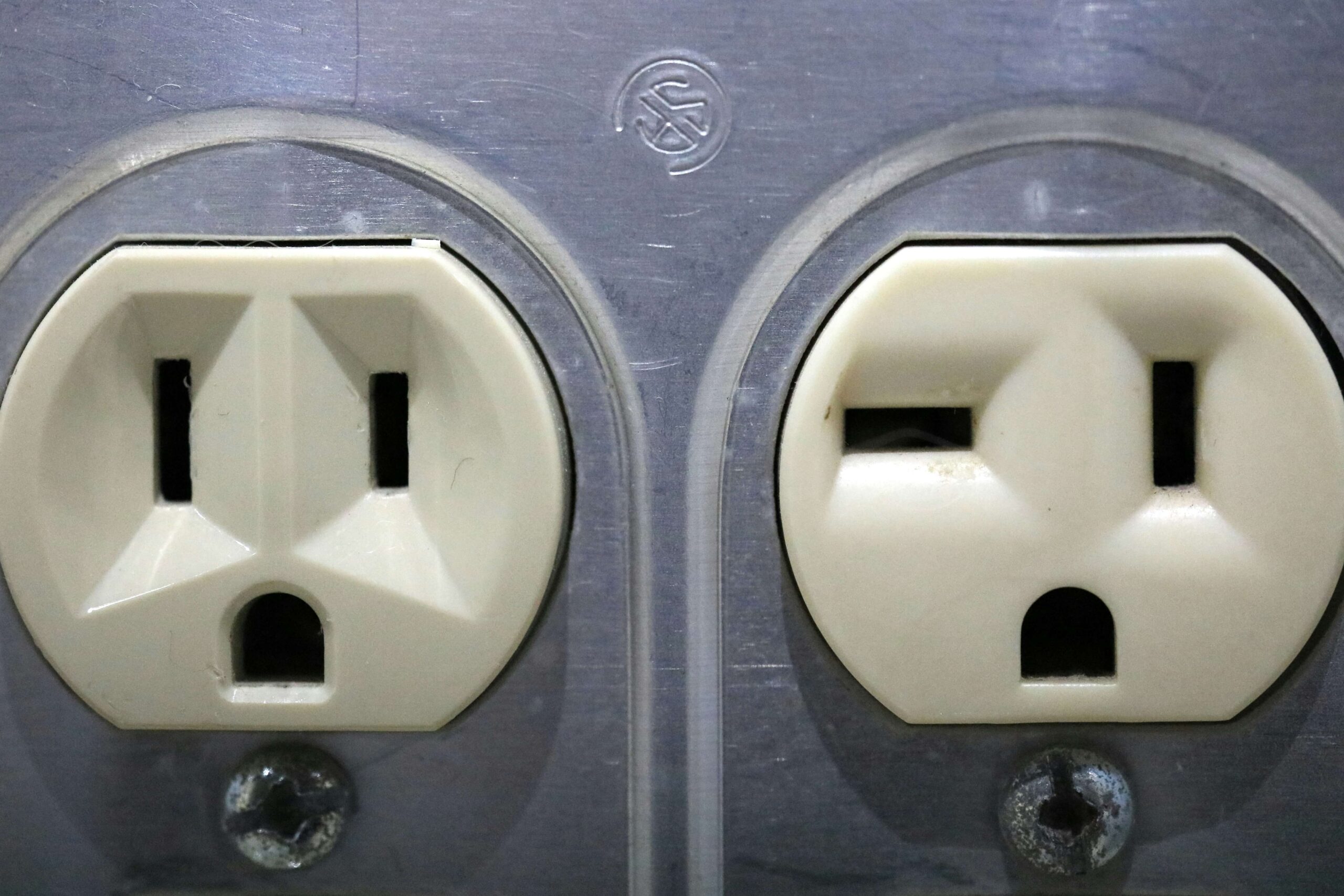
The electromechanical devices known as connectors may seem relatively insignificant in the broader scheme of a complete electrical or electronic system. In truth, however, connectors provide a critical link between components, equipment, and power sources.
Electrical connectors have a direct impact on the reliability, safety, and efficiency of circuits. If, then, you are reading this as an engineer, installer, or procurement professional, you might appreciate learning about some of the most important factors influencing how connectors perform.
These insights will help you choose a connector that you can be sure of delivering uninterrupted uptime, energy efficiency, equipment reliability, and safety.
- Electrical Performance Characteristics
The core purpose of any connector is to carry current and signals with as little loss or interference as possible. In accordance with this, contact resistance needs to be kept low to guard against voltage drops and heat buildup.
Resistance can climb due to poor plating, contamination, or low contact force. This, in turn, can lead to overheating in high-current applications such as electric vehicle (EV) charging equipment or heavily loaded domestic power connections.
Current and voltage ratings are also critical to think about in the connector selection process. Engineers should always choose connectors rated above the anticipated load.
- The Materials Used in the Connector
The longevity and efficiency of connectors are greatly affected by the metals and plastics used in them.
Conductivity is certainly an imperative factor in connector performance. Copper and its alloys offer superb conductivity. However, gold or tin plating is also frequently added for contact surfaces to reduce oxidation.
Any given connector must also have appropriate mechanical properties. The materials used in such components need to combine elasticity and resilience (to maintain consistent contact force) with high yield strength (to prevent deformation over time), wear resistance (for durability), and formability (for manufacturing).
- Environmental Aspects
The exact external conditions that a particular connector is subjected to, will depend greatly on where it is installed.
Certain parts of the world like the UK are characterised by variable climate and application environments. So, an industrial connector is likely to need to cope with extremes in temperature, ranging from cold winters to summer highs.
Moisture, humidity, and dust are further risks to connectors. Water ingress, for example, can quickly lead to shorts or corrosion.
So, if you’re a professional seeking to narrow down your options for a connector, you may need to seek out a component with a certain Ingress Protection (IP) rating. IP67 and IP68-rated connectors, for instance, are typically chosen for such projects as outdoor EV charge points or garden lighting.
- Mechanical Design and Durability
Connectors are also rated for “mating cycles”, which refers to the number of times the device can be plugged and unplugged. This number may need to be in the thousands as far as connectors for EV chargers or test equipment are concerned, although for some consumer devices, the necessary figure might be far lower.
The insertion and extraction force of a given connector are vital to think about, too. The component’s design must allow for a smooth and reliable connection. High insertion forces can bring a risk of physical damage. Meanwhile, low forces might lead to accidental disconnections or unstable physical contact under stress.
- Manufacturing Quality and Compliance
Even an excellently designed connector won’t deliver similarly excellent “real-world” results if quality control was lacking in the manufacturing process.
Wherever you source your own connectors from, you should therefore make sure the components are from a reputable manufacturer that tests its connectors for environmental, mechanical, and electrical stress.
In the UK, domestic plugs should comply with the BS 1363 standard. As for industrial connectors, where applicable, these should adhere to relevant BS EN standards, in addition to carrying pertinent CE or UKCA marking. This will help give you the best possible peace of mind.
Conclusion: A Range of Factors Should Guide You When Selecting Connectors
The performance of any specific connector will inevitably be influenced by a multitude of electrical, mechanical, and environmental factors.
When engineers, installers, and procurement personnel educate themselves on these aspects and carefully evaluate them during the specification and selection process, they will be well-placed to ensure they always pick the best component for the task.
